Quick definition: In slang, cap means a lie, an exaggeration, or a fake claim. When someone says “that’s cap” or “stop capping,” they’re calling out something that sounds untrue. Its opposite, “no cap,” means “no lie” or “for real” — a way to swear you’re telling the truth.
Cap Meaning Slang & Definition
The phrase “cap meaning slang” is one of the most searched slang queries in the United States right now, and for good reason: the word shows up everywhere. It is in TikTok captions, group chats, gaming lobbies, song lyrics, and comment sections. Yet half the people using it could not explain where it came from or when it is actually appropriate to use it.
At its simplest, cap is slang for lying. It works as a noun (“that story is pure cap”), a verb (“he keeps capping about his salary”), and an exclamation (“cap!” — said the moment someone smells a fib). The term is blunt, fast, and built for the speed of modern conversation, where calling out an exaggeration in one syllable beats typing a whole sentence.
But there is a second half to the story. “No cap” flipped the meaning into a sincerity marker. Saying “no cap” is like raising your right hand in court — it tells the listener you are dead serious. Much like FRFR (“for real, for real”), it is a promise of honesty packed into two short words.
Introduction
Picture this: your friend texts the group chat, “I just finished a 10K run in 28 minutes.” Before anyone can do the math, someone replies with a single word: “Cap.” Everybody laughs. Nobody had to explain anything. That one word did the job of an entire paragraph — I do not believe you, and I think you know it too.
This is why the cap meaning slang phenomenon matters. It is not just a trendy word; it is a whole social tool. Young Americans use it to test claims, tease friends, deflate braggers, and — with “no cap” — to stamp their own words as trustworthy. Understanding it means understanding how a huge part of online conversation actually works in 2026.
In this guide, we will break down the exact cap slang meaning, trace it from its roots to TikTok, show you real examples in different tones, compare it with similar terms, warn you about the mistakes that make people sound out of touch, and answer the eight questions people ask about it most. By the end, you will use “cap” and “no cap” like you grew up with them.

Origin
To understand the cap meaning slang fully, you have to go back further than TikTok — much further. The slang use of “cap” grew out of African American Vernacular English (AAVE), where “capping” meant boasting, talking big, or lying. In Southern hip-hop circles of the early 2000s, to “cap” on someone was to clown them or talk trash; to be “capping” was to be running your mouth with claims nobody believed.
Some language historians connect the lie-related sense of “cap” to even older Black American slang, where “high capping” meant over-the-top bragging — talking so big your “cap” (your head, your hat) sat high. Whether or not that exact etymology holds, the through-line is clear: cap has always been about words that outgrow the truth.
The mainstream explosion came through hip-hop. Artists like Future, Young Thug, and Lil Baby wove “cap” and “no cap” into lyrics throughout the 2010s. A famous 2017 moment — Young Thug and Future’s track with the refrain about “no cap” — pushed the phrase out of regional slang and into national consciousness. From music it jumped to Twitter, then Instagram, and finally TikTok, where short-form video turned it into a global meme.
By 2018–2020, “no cap” was one of the defining slang phrases of Gen Z internet culture. Dictionary publishers took notice: the lie-related sense of “cap” is now documented in mainstream slang references, including Later’s social media glossary, which defines it plainly as a term for lying or making a false statement. What started in Southern rap studios is now shouted in school hallways from Atlanta to Seattle.
Popularity
Few slang words have the staying power of “cap.” Most internet slang burns bright for a year and dies — remember “on fleek” or “yeet” as everyday words? Cap survived because it filled a permanent need: a one-word lie detector. Search interest in “cap meaning slang” has stayed strong for years, spiking every time a viral TikTok or a celebrity tweet puts it back in the spotlight.
Where you will hear it most in 2026:
- TikTok: “No cap” appears in millions of captions as a sincerity stamp (“this recipe actually works, no cap”), while “cap” is the go-to comment for calling out staged or fake videos.
- Group chats: The single-word “cap” reply is a universal reaction to an unbelievable claim — faster and funnier than “I don’t believe you.”
- Gaming: In Valorant, Fortnite, and Call of Duty lobbies, “capping” is what you accuse a teammate of when their kill story does not add up.
- Music and streaming: Rappers still drop it in lyrics, and Twitch streamers use “no cap” constantly to hype real reactions.
- Memes: The 🧢 (billed cap emoji) became a visual shorthand — drop a cap emoji under someone’s post and everyone knows you are calling it a lie.
The word also crossed into sports commentary and even brand marketing, which is usually the sign a slang term has fully arrived. When your local car dealership’s radio ad says “no cap,” you know the word is not going anywhere.
How It Is Used
The beauty of the cap meaning slang is its flexibility. One word, three jobs:
- As a noun: the lie itself. “That whole story was cap.” / “Big cap energy in this comment section.”
- As a verb (“capping”): the act of lying. “Why are you capping? Just say you didn’t study.” / “He’s capping about knowing the bouncer.”
- As an interjection: a real-time callout. Friend: “I bench 315.” You: “Cap.”
And then there is the mirror image. “No cap” works as an honesty pledge: “No cap, this is the best pizza in Chicago.” It can open a sentence (“No cap, I was nervous”) or close one (“That movie was trash, no cap” — wait, that one means the opinion is sincere, not that the movie claim is a lie; context decides).
Tone does a lot of heavy lifting. “Cap 😂” between friends is playful. “Cap.” with a period in a heated argument is a slap. “Stop the cap” is firmer — a demand, not a joke. Learning to read the punctuation and the emojis around it is half of learning the word.
Examples
Seeing the cap meaning slang in real conversations is the fastest way to learn it. Here are examples across different tones and settings:
Friendly Examples
- Text: “I cleaned my whole room in five minutes.” → “Cap 😂 send pics or it didn’t happen.”
- Group chat: “Guys I met a celebrity at the mall today, no cap!” → Everyone: “PICS. NOW.”
- Snapchat: “This filter makes me look 25 again, no cap 😭”
- Among friends: “Bro I could totally beat you in a race.” → “Big cap. Race me after school then.”
Professional Examples
Fair warning: “cap” is not a professional word. You would never use it in a work email or a job interview. But it does show up in casual workplace banter, especially among younger coworkers:
- Slack: “I finished the report, the slides, and the client email before lunch.” → “No cap? Respect. Send me the slides.”
- Break room: “My fantasy team is definitely winning this year.” → “That’s cap and you know it.”
If a client, a manager, or anyone senior is in the conversation, swap it for plain English: “I’m not sure that’s accurate” lands a lot better than “cap.”
Funny Examples
- “My dog ate my homework.” → “Your dog is a chihuahua. Cap.”
- “I’m only going to have one slice of pizza, no cap.” → (eats four slices) → “That was the biggest cap of the night.”
- TikTok comment under a “morning routine of a billionaire” video: “Waking up at 4am is easy 🧢”
- “I don’t even like drama.” → “Sis, you ARE the drama. Cap.”

Comparison with Similar Terms
“Cap” lives in a crowded neighborhood of honesty-related slang. Here is how it stacks up against its closest relatives:
| Term | Meaning | How It Differs from “Cap” |
|---|---|---|
| Cap | A lie or exaggeration | The baseline — a direct callout of untruth |
| No cap | “No lie” / “for real” | The opposite: a sincerity pledge, not a callout |
| Capping | Actively lying or bragging | The verb form — describes the behavior in progress |
| Big cap | A huge, obvious lie | An intensifier — “cap” turned up to eleven |
| Facts / Fax | “That’s true” | Agrees with a claim; “no cap” agrees with your own claim |
| FR / FRFR | “For real” / “for real for real” | Near-synonym of “no cap,” slightly softer; see the full FRFR breakdown |
| ONG | “On God” — swearing truth | Stronger oath than “no cap”; carries more weight |
| BS | Nonsense / lies | Cruder and older; “cap” is the Gen Z equivalent |
The key distinction most guides miss: “cap” attacks someone else’s claim, while “no cap” defends your own. “That’s cap” = you’re lying. “No cap” = I’m not lying. Mix those up and the sentence falls apart.

Alternate Meanings
Like many old words, “cap” wears several hats (pun intended). Outside the lie-related cap meaning slang, you will run into:
- A hat: the original meaning — a baseball cap, a bottle cap, a cap on a tooth.
- To shoot: in older street slang, “to cap someone” or “bust a cap” meant to shoot them. This sense is fading among younger speakers but still appears in old rap lyrics and movies — context makes it obvious.
- To outdo: “to cap” can mean to top or outdo someone (“he capped my story with an even wilder one”). This is the oldest slang sense and still pops up occasionally.
- An uppercase letter: “write it in all caps” — unrelated to lying, just typography.
- A limit: salary cap, spending cap — a ceiling, not a falsehood.
In 2026 texting and TikTok, though, 99% of the time “cap” means lie. If a teenager texts you “cap,” they are not talking about headwear.
Professional or Polite Alternatives
Because “cap” is firmly casual, keep a few grown-up substitutes ready for settings where slang would cost you credibility:
| Instead of… | Say… | When |
|---|---|---|
| “That’s cap.” | “I’m not sure that’s accurate.” | Meetings, emails, disagreements with facts |
| “Stop capping.” | “Let’s stick to what we can verify.” | Group projects, debates |
| “No cap, this is great.” | “Honestly, this is excellent.” | Feedback, reviews, professional praise |
| “Big cap.” | “That seems like an exaggeration.” | Calling out inflated claims politely |
| “Cap 🧢” | “I find that hard to believe.” | Diplomatic doubt, customer conversations |
The rule of thumb: if you would not wear sneakers there, do not say “cap” there. Honesty slang like NGL (“not gonna lie”) has the same restriction — perfect for friends, risky for the boardroom.

Common Mistakes
Nothing outs you as out-of-touch faster than using “cap” wrong. Here are the mistakes to avoid:
- Saying “no cap” when you mean “cap.” They are opposites. “That movie was terrible, no cap” means you sincerely think it was terrible — not that the claim is a lie. Get this backwards and you will confuse everyone.
- Using it with strangers or elders. Calling your boss’s timeline “cap” is not bold; it is a career-limiting move. Read the room.
- Overusing it. Replying “cap” to everything makes you sound like a bot. Save it for claims that actually deserve the callout.
- Typing “no capp” or “kapp.” The spelling is C-A-P. Extra letters mark you as someone who learned the word yesterday.
- Using it for honest mistakes. If someone got a fact wrong by accident, “cap” feels like an accusation of lying. Reserve it for exaggeration, bragging, and obvious fibs — not genuine errors.
- Forgetting the 🧢 emoji’s meaning. Dropping a cap emoji under someone’s achievement post reads as calling them a liar. In celebratory contexts, it lands as an insult, not a joke.
- Saying “that’s so cap” in formal writing. Essays, cover letters, and college applications are cap-free zones. Always.
Quick Tips
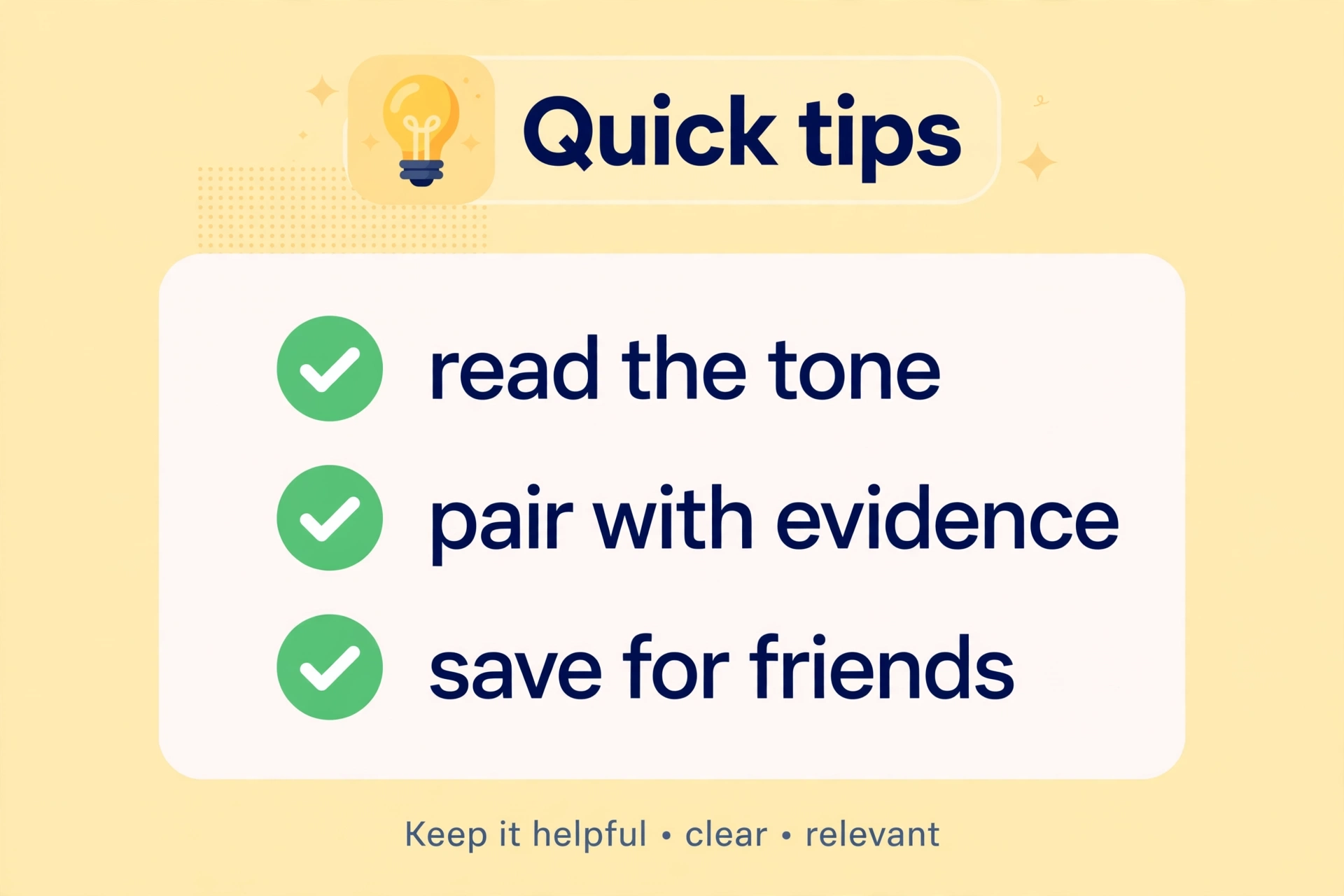
- Pair it with evidence. “Cap — the scoreboard says otherwise 😂” hits harder than a bare “cap.”
- Use “no cap” to build trust. Starting a hot take with “no cap” signals sincerity and makes people actually listen.
- Watch the punctuation. “cap 😂” = playful. “Cap.” = serious. “CAP??” = you are stunned. Same word, three moods.
- Learn the combos. “Stop the cap,” “big cap,” “all cap,” “no cap fr” — natives mix and match; learners should master “cap” and “no cap” first.
- Listen before you use. Spend a week noticing how people around you deploy it. The rhythm matters as much as the definition.
- When in doubt, translate it. If “you’re lying” sounds too harsh for the moment, “cap” is too harsh too. Soften it or skip it.
FAQ
1. What does “cap” mean in slang?
In slang, “cap” means a lie, an exaggeration, or a fake claim. Saying “that’s cap” is a quick way to call out something that sounds untrue — the Gen Z equivalent of “yeah, right.”
2. What does “no cap” mean?
“No cap” means “no lie” or “for real.” It is a sincerity marker — the speaker is swearing they are telling the truth. Example: “No cap, that was the best concert of my life.”
3. Where did “cap” slang come from?
The term comes from African American Vernacular English (AAVE), where “capping” meant boasting or lying. It spread through Southern hip-hop in the 2000s — artists like Future and Young Thug popularized it — then exploded on TikTok and Twitter around 2018–2020.
4. Is it rude to say “cap” to someone?
It depends on tone and context. Between friends with a laughing emoji, it is playful teasing. Said flatly (“Cap.”) in a serious conversation, it accuses the person of lying — which can absolutely offend. With strangers, elders, or at work, avoid it.
5. What does the 🧢 emoji mean in texting?
The billed cap emoji (🧢) is visual shorthand for “cap” = lie. Dropping it under someone’s claim means you think they are capping. Be careful: under a celebratory post, it reads as calling the person a liar.
6. What is the difference between “cap” and “capping”?
“Cap” is the noun or interjection — the lie itself (“that story is cap”). “Capping” is the verb form — the act of lying (“stop capping about your grades”). Same root, different grammar.
7. Is “no cap” the same as “for real”?
Very close. Both signal sincerity, and FRFR (“for real, for real”) is nearly identical in meaning. “No cap” just carries more street-culture flavor, while “for real” is neutral enough for any audience.
8. Do people still say “cap” in 2026?
Yes — and that is rare for internet slang. Because “cap” fills a permanent need (a one-word lie detector), it has outlasted most of its slang peers. It remains huge on TikTok, in gaming, and in everyday texting across the US.
Conclusion
The cap meaning slang boils down to something simple: cap = lie, no cap = truth. But as you have seen, the word carries a rich history — from AAVE and Southern hip-hop to the biggest meme pages on TikTok — and a whole set of social rules about when and how to use it.
Use “cap” to playfully call out exaggeration among friends. Use “no cap” when you want your words to land with extra sincerity. Avoid both in professional settings, read the tone of the conversation, and never confuse the two — they are mirror opposites.
Slang like this is always evolving, and “cap” sits at the heart of how Gen Alpha and Gen Z talk online. Master it, and you will never be the confused one in the group chat again. No cap.

2 thoughts on “Cap Meaning Slang: What “Cap” Really Means in Texts, TikTok & Chats”