
Quick definition: In texting and on social media, dw slang means “don’t worry.” People use DW to reassure someone, brush off a small mistake, or say “it’s no big deal” in a casual, friendly way. It is the short, relaxed cousin of “no worries” — and once you know it, you will see it everywhere from Snapchat streaks to TikTok comments.
dw slang Meaning & Definition
The dw slang meaning is simple: DW stands for “don’t worry.” It is an abbreviation people type when they want to calm someone down, forgive a tiny slip-up, or tell a friend that everything is fine. Instead of typing out the full phrase, texters shorten it to two letters — DW — because texting is all about speed.
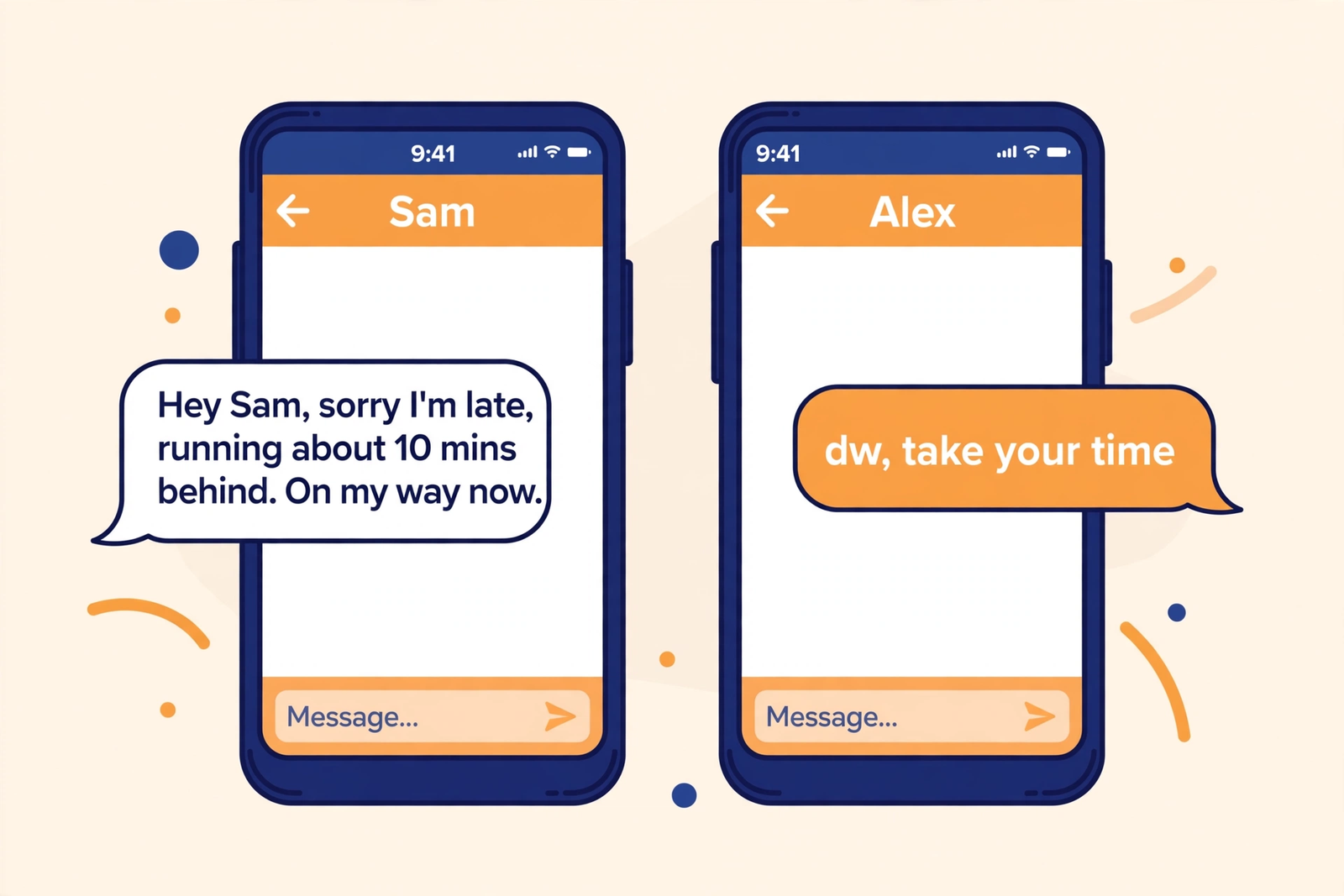
So, what does DW mean in text? In most chats, it means exactly what “don’t worry” means in real life. If your friend texts “Sorry I’m late!” you might reply “dw, take your time.” That one tiny reply does a lot of work: it forgives the delay, removes the guilt, and keeps the conversation light.
DW is almost always positive or neutral. It is not sarcastic by default, and it is not rude. Think of it as a digital pat on the shoulder. The tone depends on context, though — “dw about it” after a genuine apology feels warm, while “dw” after a serious problem might feel dismissive. Context is everything with internet slang, and DW is no exception.
Here is the easiest way to remember it:
| Term | Meaning | When to Use It |
|---|---|---|
| DW | Don’t worry | Reassuring someone or dismissing a small issue |
| DW about it | Don’t worry about it | Forgiving a mistake or a delay |
| DW, I got you | Don’t worry, I have it handled | Offering help or reassurance |
DW works in almost every casual setting: text messages, Instagram DMs, Snapchat, TikTok comments, Discord chats, and WhatsApp groups. It is short, it is friendly, and it saves time — which is exactly why slang like this survives while longer phrases fade away.
Introduction
Have you ever received a text that just said “dw” and wondered what on earth your friend was trying to say? You are not alone. Every year, new slang terms flood group chats and social media feeds, and dw slang is one of the abbreviations that has quietly become part of everyday texting language.
The beauty of DW is its simplicity. Two letters replace a whole sentence, yet everyone in the conversation understands the message instantly. It is the kind of slang that feels effortless — no decoding needed once you have seen it a few times. That is also why parents, teachers, and anyone who did not grow up texting can feel left out when it pops up mid-conversation.
In this guide, we will break down everything about DW: what it means, where it came from, how popular it is, how to use it correctly, and the mistakes to avoid. By the end, you will not only understand DW — you will know exactly when to drop it into a chat like a native texter. If you enjoy decoding texting abbreviations, you may also like our guide to fn meaning in text, another short slang term that confuses a lot of people at first glance.

Origin
The origin of DW is tied to the rise of texting itself. In the early 2000s, when mobile phones had tiny keypads and every character cost effort (and sometimes money), people started compressing common phrases into abbreviations. “Don’t worry” was a natural candidate: it is a phrase people say dozens of times a week, and shortening it to DW saved time on every single message.
DW first spread through SMS and early instant messaging platforms like AIM and MSN Messenger. From there, it moved to social media — first Facebook and Twitter, then Instagram, Snapchat, and TikTok. Each new platform gave it fresh life, because each one rewarded short, punchy communication.
Unlike some slang that is born from a single viral video or meme, DW grew organically. Nobody “invented” it in a single moment; it emerged because millions of people independently reached the same conclusion — “don’t worry” is worth abbreviating. That organic origin is part of why it has lasted so long while trendier slang terms come and go within months. Crowd-sourced slang dictionaries such as Urban Dictionary’s entry for DW have tracked this “don’t worry” meaning for years, confirming how widely the abbreviation is understood.
Interestingly, DW also mirrors real-life speech patterns. In spoken English, people constantly shorten “don’t worry about it” to “don’t worry” or even just “no worries.” DW is simply the texting version of that same habit — language evolving to match the speed of the medium.
Popularity
DW is not the flashiest slang term on the internet, but its quiet popularity is exactly what makes it interesting. It does not trend on TikTok the way a dance challenge does, yet it appears in millions of chats every single day. Its popularity comes from usefulness, not hype.
Search interest in “dw meaning” and “what does dw mean” stays steady year-round, which tells us something important: new people keep encountering it and looking it up. Every generation of new texters — younger teens getting their first phone, or older adults joining family group chats — runs into DW sooner or later and needs a quick explanation.
DW is especially popular in these places:
- Snapchat: Quick replies to snaps and streaks, where speed matters most.
- Instagram DMs: Casual reassurance between friends and followers.
- TikTok comments: Short replies under videos, often paired with an emoji.
- WhatsApp groups: Family and friend groups where someone apologizes for a late reply.
- Discord and gaming chats: Fast-paced conversations where nobody types full sentences.
- Texting (SMS/iMessage): The original home of DW, still going strong.
Among Gen Z and younger millennials, DW is second nature — as automatic as “lol” or “omg.” Older generations use it less, but recognition is growing as group chats mix ages. If you have seen DW in your messages lately, it is not a fad; it is simply how people text now.
How It Is Used
DW is flexible, but it follows a few clear patterns. Here are the most common ways people use it in real conversations:
1. To forgive a small mistake. When someone apologizes for something minor — a typo, a late reply, a forgotten detail — DW says “it’s fine, really.” Example: “Sorry I forgot to send the notes!” → “dw, send them whenever.”
2. To reassure someone who is stressed. If a friend is anxious about a test, a date, or a deadline, DW works like a verbal hug. Example: “I’m so nervous about tomorrow.” → “dw, you’ll do great.”
3. To dismiss something unimportant. Sometimes DW just means “this doesn’t matter.” Example: “I think I left my charger at your place.” → “dw, I’ll bring it tomorrow.”
4. To say “I’ve got it covered.” Combined with a follow-up, DW signals that someone else is handling it. Example: “Are you sure you can finish the project?” → “dw, I got you.”
5. To keep a conversation light. A quick “dw” can defuse awkwardness after a small misunderstanding and move the chat forward without a big serious exchange.
DW almost always appears at the start of a reply, often followed by a comma and the rest of the sentence: “dw, it’s fine” or “dw about it.” It can also stand alone as a complete reply. It is rarely used in formal writing, work emails, or messages to people you do not know well — save it for casual chats where a relaxed tone is welcome.
Examples
Seeing DW in real chat examples makes its meaning click instantly. Here are examples across different tones and situations:
Friendly Examples
- Alex: “Sorry I couldn’t make it to your party 😭” Sam: “dw! We’ll celebrate this weekend instead 🎉”
- Maya: “I think I sent the wrong file lol” Jake: “dw, just send the right one when you can”
- Chris: “Thanks for covering my shift!” Emma: “dw, anytime 👍”
Professional Examples
DW is casual, so it appears in friendly work chats rather than formal emails — usually between coworkers who know each other well:
- Manager: “Sorry for the late reply on this.” Teammate: “dw, I know you’ve been swamped this week.”
- Coworker: “I forgot to attach the report — sending now!” You: “dw, no rush at all.”
Even in a light work context, keep it to chats with people you are comfortable with. If you are unsure, “no worries” is the safer professional cousin of DW — much like knowing when to use hbu meaning in chat versus a full “how about you” depends on who you are talking to.
Funny Examples
- Friend: “I just tripped in front of the whole cafeteria 💀” You: “dw, nobody saw it… except everyone 😂”
- Roommate: “I ate your leftovers, sorry” You: “dw, I was going to throw them out anyway (I wasn’t 😤)”
- Friend: “I failed my driving test again” You: “dw, the road is safer this way 🚗💨”
Notice how DW does the same job in every example: it removes pressure, adds warmth, and keeps things moving. That is the whole point of the abbreviation.
Comparison with Similar Terms
DW is not the only way to say “don’t worry” online. Several slang terms and phrases do similar jobs, but each carries a slightly different flavor. Here is how DW stacks up:
| Term | Meaning | Tone | Best Use |
|---|---|---|---|
| DW | Don’t worry | Casual, warm | Reassuring a friend |
| NP | No problem | Casual, easygoing | Replying to “thank you” |
| NBD | No big deal | Dismissive, chill | Downplaying a small issue |
| NW | No worries | Friendly, relaxed | Forgiving a mistake |
| IDK | I don’t know | Neutral | Admitting uncertainty |
| IDC | I don’t care | Blunt, sometimes rude | Showing indifference |
| ILY | I love you | Warm, affectionate | Close friends & family |
The closest cousins of DW are NW (no worries) and NBD (no big deal). The difference is subtle: DW focuses on the other person’s feelings (“stop worrying”), while NBD focuses on the size of the problem (“this isn’t important”). NW sits in the middle and works almost anywhere DW does. If you already use “no worries” in your chats, DW will feel completely natural — it is the same idea in a shorter package. Fans of quick abbreviations often pair DW with terms like tysm meaning (“thank you so much”) in the same conversation, since both belong to the same family of polite texting shortcuts.

Alternate Meanings
Like most two-letter abbreviations, DW can mean different things in different contexts. “Don’t worry” is by far the most common meaning in texting, but here are the other meanings you might run into:
- Doctor Who: In fandom spaces, DW often refers to the long-running British sci-fi show Doctor Who. If someone in a sci-fi group says “DW was amazing last night,” they are talking about the show, not reassuring anyone.
- Dear Wife / Darling Wife: On parenting and relationship forums, DW sometimes means “dear wife” (similar to DH for “dear husband”). Context — usually a forum post about family life — makes this meaning obvious.
- Dark Web: In tech and cybersecurity discussions, DW can stand for the “dark web.” You will usually see this in articles or threads about online safety, not in casual chats.
- Data Warehouse: In business and tech workplaces, DW means “data warehouse.” This one only shows up in professional documents and meetings.
- Deep Water: In gaming or swimming contexts, DW occasionally means “deep water,” though this is rare.
How do you tell which meaning someone intends? Look at the conversation. If a friend apologizes and you see “dw,” it is “don’t worry” — every single time. The other meanings need a specific topic (TV shows, forums, cybersecurity, work) to make sense. When in doubt, the chat around it will tell you.
Professional or Polite Alternatives
DW is perfect for friends, but it can feel too casual in formal situations. Here are polished alternatives that carry the same reassuring message:
- “No worries at all.” — Warm, professional, and safe for work chats and emails.
- “Please don’t worry about it.” — Polite and complete; great for messages to older relatives or clients.
- “It’s absolutely fine.” — Reassuring without sounding dismissive.
- “Think nothing of it.” — A classic, slightly formal way to forgive a small mistake.
- “I’ve got it handled.” — Best when someone is worried about a task, not an apology.
- “Take your time — there’s no rush.” — Perfect when someone apologizes for being slow.
The rule of thumb: use DW with friends, classmates, and close coworkers; use the full phrases above with bosses, clients, teachers, and anyone you want to impress. Knowing both versions — like knowing both the slang and the formal side of imk meaning in text — is what makes you fluent in texting, not just familiar with it.
Common Mistakes
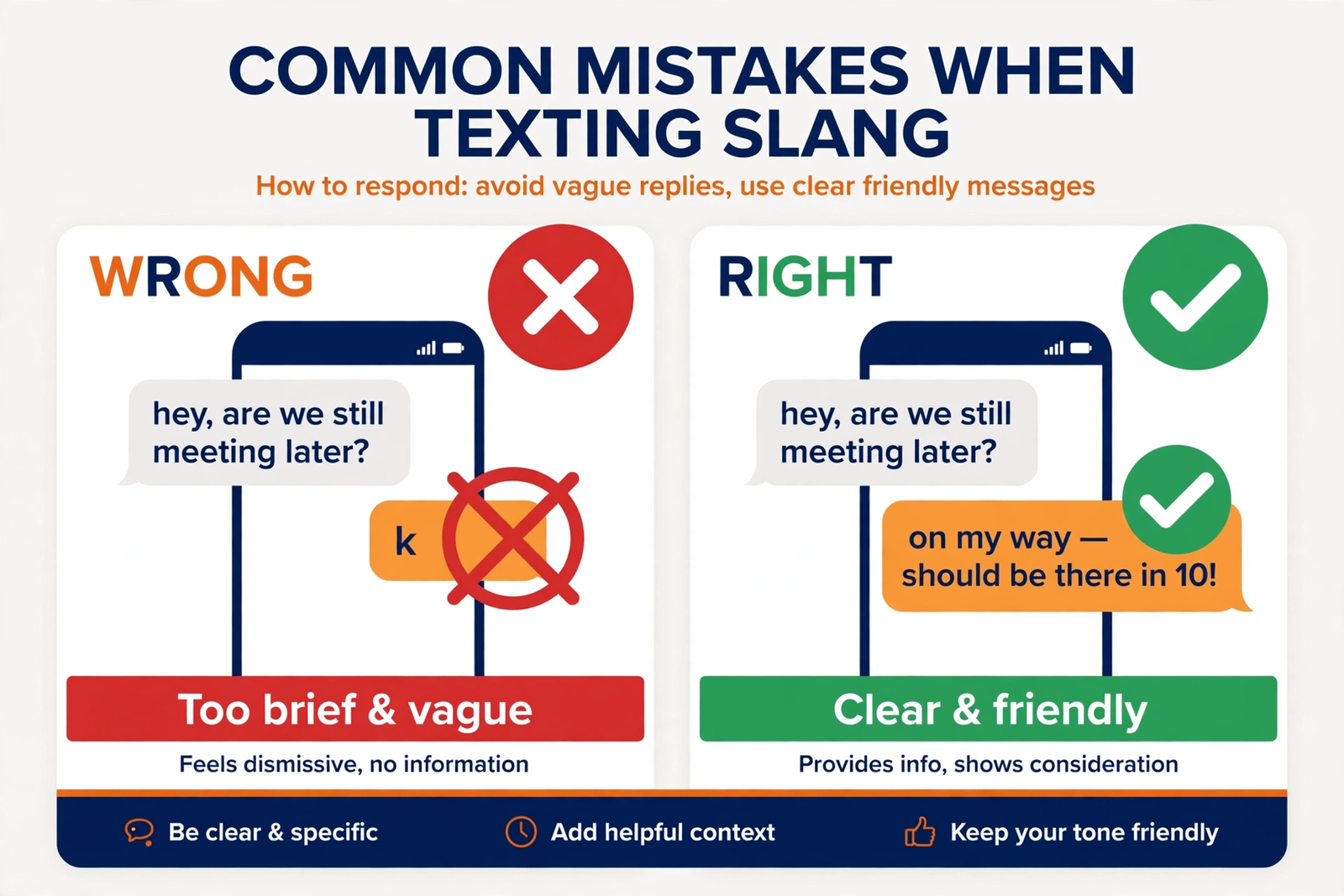
DW is easy to use, but a few common mistakes can change how your message lands:
1. Using DW for serious problems. If a friend shares something genuinely upsetting — a breakup, a job loss, bad news — replying “dw” can feel cold and dismissive. Serious moments deserve real words, not an abbreviation.
2. Using DW in formal messages. Dropping “dw” into a work email, a message to a teacher, or a first message to a stranger can look unprofessional. Save it for casual chats.
3. Overusing it. Replying “dw” to everything makes conversations feel flat and uninterested. Mix it up with “no worries,” “all good,” or “it’s fine” so your replies stay human.
4. Confusing DW with other meanings. In a Doctor Who fan group, “dw” might mean the show. In a tech thread, it might mean “data warehouse.” Read the room before assuming “don’t worry.”
5. Using it sarcastically without a signal. A plain “dw” after someone’s real apology can read as passive-aggressive if the tone is unclear. Add an emoji or a warm follow-up (“dw 😊 it’s all good”) when you genuinely mean it.
Quick Tips
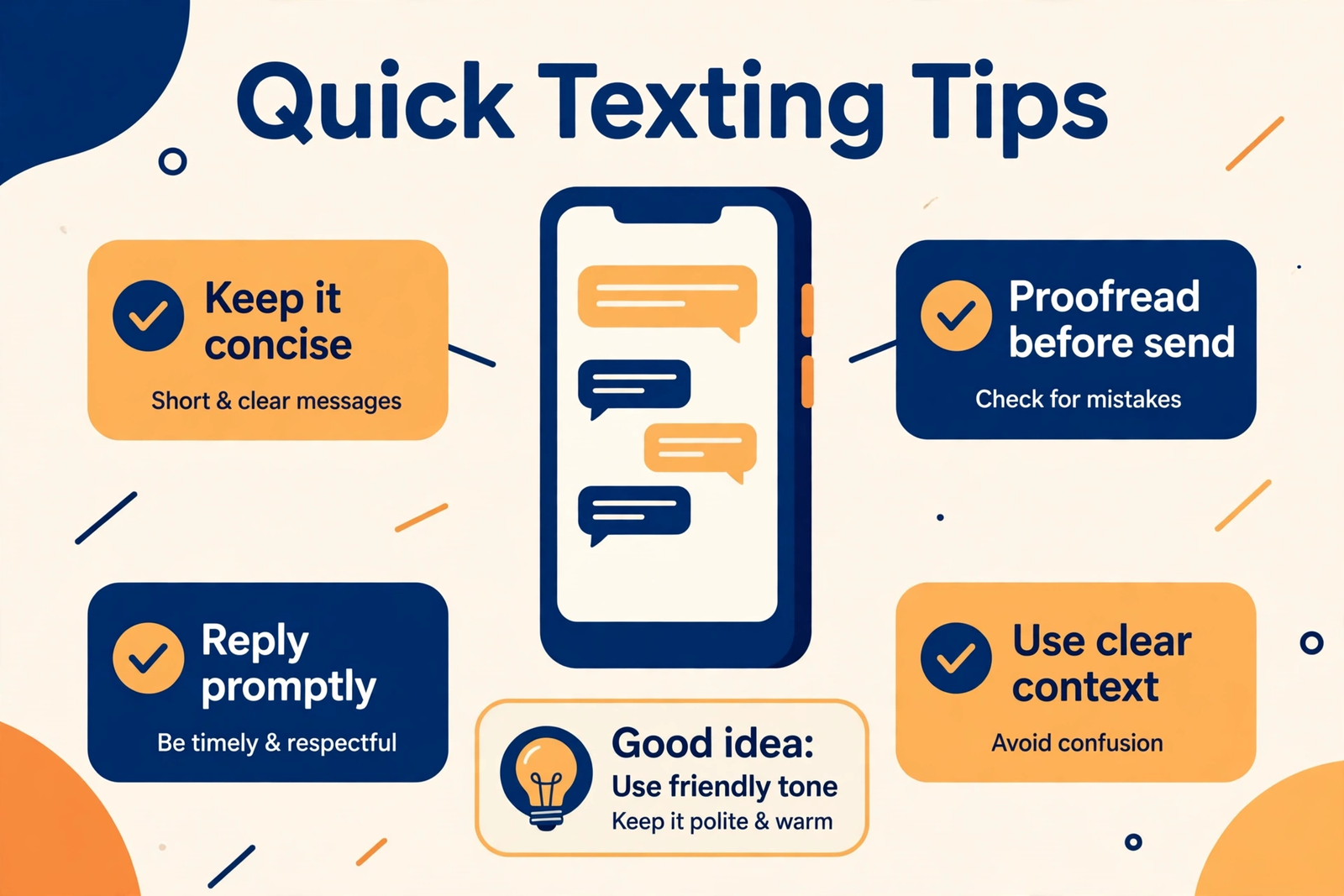
- Pair DW with warmth: “dw, it’s all good 😊” feels friendlier than a bare “dw.”
- Use it early: Replying quickly with DW stops a friend from stressing while they wait.
- Match the tone: If the other person is joking, joke back; if they are serious, use full words instead.
- Don’t force it: If “no worries” feels more natural to you, use that — DW is a shortcut, not a requirement.
- Watch the context: In fandom, tech, or forum spaces, DW may mean something else entirely.
- Keep it casual: DW belongs in chats with friends, not in formal emails or first impressions.

FAQ
What does DW mean in texting?
DW means “don’t worry” in texting. People use it to reassure someone, forgive a small mistake, or say that something is no big deal. For example, if a friend apologizes for replying late, answering “dw” means “it’s fine, don’t worry about it.”
What does DW mean on Snapchat?
On Snapchat, DW means “don’t worry.” It is used the same way as in regular texting — as a quick, casual reply to reassure a friend, usually in response to an apology or a small mistake shared over a snap or chat.
What does DW mean on TikTok?
On TikTok, DW means “don’t worry” in comments and replies. Creators and viewers use it to brush off small mistakes, reassure someone in a comment thread, or keep a conversation light and friendly.
Is DW rude?
No, DW is not rude by default. It is a friendly, casual way to say “don’t worry.” However, it can feel dismissive if used after someone shares a serious problem, so save it for light situations and use full, caring words for serious ones.
What does DW mean in slang?
In slang, DW stands for “don’t worry.” It is internet and texting slang that shortens the everyday phrase into two letters for speed. It is most common among Gen Z and millennial texters on Snapchat, Instagram, TikTok, and WhatsApp.
How do you reply when someone says DW?
You can reply with “thanks 😊,” “haha thanks,” or simply move on with the conversation. DW is usually a conversation softener rather than a question, so no big reply is needed — a quick thanks or an emoji is perfect.
What is the difference between DW and NW?
DW means “don’t worry” and NW means “no worries.” They are very similar and often interchangeable. The small difference: DW focuses on calming the other person, while NW focuses on saying the issue itself is not a problem. Either one works in most casual chats.
Can I use DW in a professional setting?
It is best to avoid DW in formal professional settings like emails or messages to clients. In friendly chats with close coworkers, a casual “dw” is usually fine. When in doubt, use “no worries” or “please don’t worry about it” instead.
Conclusion
The dw slang meaning is refreshingly simple: DW means “don’t worry.” It is a two-letter shortcut that forgives small mistakes, calms worried friends, and keeps conversations light — the kind of slang that survives because it is genuinely useful, not because it is trendy.
Now you know where DW came from, how popular it is, and exactly how to use it without the common mistakes. Drop it into your next casual chat when a friend apologizes or stresses over something small, and you will sound like a natural. Just remember the golden rule: save DW for light moments, and use real words when someone truly needs reassurance.
Want to decode more texting slang? Check out our guides to fn meaning in text and hbu meaning in chat — two more abbreviations you will see in your chats every single day.

1 thought on “dw slang Meaning: What Does DW Mean in Texting and Social Media?”