
Quick definition: In military slang, a Jody is the civilian man back home who is romantically involved with a deployed soldier’s girlfriend or wife while the soldier is away. The term comes from the “Jody calls” — the marching cadence songs soldiers have sung since World War II — in which Jody is the guy who steals your girl, drives your car, and spends your money while you are gone.
jody military slang Meaning & Definition
The phrase jody military slang refers to one of the oldest and most famous pieces of US military vocabulary. A Jody is not a real person. He is a character — the imaginary civilian back home who takes everything a service member leaves behind: his partner, his car, his money, and his peace of mind.
When soldiers say “Jody’s got your girl,” they are joking — and also not joking. The word carries a warning, a tease, and a piece of military culture all at once. It shows up in cadence calls, in barracks jokes, in memes, and in everyday conversation among troops. A soldier might say, “Don’t get Jodied,” or “I got a Dear John letter — Jody won.” In that one sentence, everyone in uniform understands exactly what happened.
Here is the simplest way to understand it:
- Jody (noun): The civilian man who dates or sleeps with a soldier’s partner while the soldier is deployed or in training.
- To get Jodied (verb): To lose your partner to someone back home while you are away on duty.
- Jody call (noun): A marching cadence song built around the Jody character, sung to keep step on runs and marches.
The term is almost always used with humour, but it points to a real fear. Deployment separates couples for months at a time, and infidelity during deployment is a genuine source of stress for service members. Jody turns that anxiety into a joke soldiers can laugh about together — which is exactly how military humour usually works.
Introduction
Every workplace has its own slang, but few are as vivid as the language of the US military. Soldiers, sailors, airmen, and Marines have been inventing words for their shared experiences for generations, and some of those words escape the base and enter everyday English. “Jody” is one of the best examples. If you have ever watched a military movie, scrolled past a veteran meme, or heard a soldier joke about someone “getting Jodied,” you have met this word — even if nobody ever explained it to you.
The reason Jody has survived for more than eighty years is simple: he is useful. He gives soldiers a single word for a complicated fear, a funny villain for their marching songs, and a way to tease a buddy who just got bad news from home. You do not need to have served to understand Jody — but once you know the story behind him, every cadence call, every “Dear John” joke, and every deployment meme suddenly makes a lot more sense.
In this guide, we will break down the full jody military slang meaning, trace where the term came from, explain how soldiers actually use it, and show you real examples of Jody in conversation. We will also compare Jody with similar terms, clear up the common mistakes people make, and answer the most searched questions about this famous piece of military slang. If you have ever wondered what soldiers mean when they talk about Jody, this is the complete answer.

Origin
The story of Jody begins with the cadence call. Cadence calls are the rhythmic chants soldiers sing while marching or running in formation — a call-and-response tradition that keeps everyone in step and lifts morale on long, exhausting movements. The tradition is old, but the Jody character first became famous during World War II, when African American soldiers in the US Army began singing cadence songs about a man named Jody who stayed home while they went to war.
The classic Jody call goes something like this: “Ain’t no use in going home, Jody’s got your girl and gone.” In verse after verse, Jody drives the soldier’s car, wears his clothes, spends his pay, and sits in his favourite chair. The joke was dark, but it worked — the verses were funny, the rhythm was perfect for marching, and every soldier in the formation understood the fear behind the humour. The songs spread from unit to unit, and by the Korean and Vietnam wars, Jody was a fixture of American military culture.
Where did the name come from? The most widely accepted explanation is that “Jody” was simply a common, ordinary-sounding male name — the kind of name that could belong to any civilian back home. Some researchers connect it to the name Joe, as in “Joe” the average guy, or to the folk character “Jody” in older American songs. What matters more than the exact etymology is the role: Jody was always the civilian who stayed behind, comfortable and safe, while the soldier did the hard, dangerous work far from home.
The term also appears in the famous cadence song “Jody,” sometimes called “Jody’s Got Your Girl and Gone,” which has been recorded and covered by many artists over the decades. The Jody call tradition is now recognised as an important part of American folk and military music history, and it is still taught and sung in basic training today. That is how a joke from the 1940s became a permanent part of the military vocabulary.
Popularity
Jody is popular for the same reason the best slang is popular: it is short, vivid, and instantly understood by everyone in the group. Inside the military, the word needs no explanation. A drill sergeant can shout a Jody call on a morning run, and a hundred recruits will laugh and sing along. A veteran can post a Jody meme online, and thousands of other veterans will recognise it immediately.
Outside the military, Jody became known through movies, television, and music. Films about basic training often include a Jody call in the marching scenes. Veterans bring the word home and use it with civilian friends. Military spouses and families know the term too, sometimes uncomfortably — because in military communities, “Jody” is not just a joke, it is a real social concern.
Social media gave Jody a second life. Deployment memes, TikTok videos of cadence calls, and veteran comedy accounts have introduced the term to millions of civilians who have never served. Search interest in the phrase has grown steadily, and the question “what does Jody mean in the military” is now one of the most searched military slang questions online. The word has also crossed into general slang: some civilians now use “Jody” to describe anyone who dates someone else’s partner while they are away, even outside a military context.
That staying power is remarkable. Most slang fades within a few years, but Jody has lasted since World War II, across every American war and peacetime generation since. The reason is that the situation he describes never goes away: as long as soldiers deploy far from home for months at a time, there will be a Jody in the back of every soldier’s mind — and a joke to make about him.
How It Is Used
Jody is used in three main ways in military life: in cadence calls, in jokes and teasing, and as a serious warning. Each use sounds a little different, so it helps to know the context.
1. In cadence calls. This is the original use. A drill sergeant or a soldier in the formation calls out a line — “Jody’s got your girl and gone” — and the formation answers back. The verses are sung on runs and marches to keep rhythm and to keep spirits up. The lines are often improvised, exaggerated, and deliberately funny: Jody drives your truck, Jody wears your boots, Jody is eating your food right now. Nobody in the formation takes it literally. The point is the shared laugh.
2. In jokes and teasing. Among soldiers, Jody is a running joke. If a buddy gets a letter or a text that makes him quiet, someone will ask, “Jody get you?” If a soldier is worried before a deployment, his friends might tease him: “Better lock your girl up — Jody’s waiting.” It is dark humour, and soldiers know it. The joke works because everyone understands the anxiety underneath it, and laughing together is how soldiers handle anxiety.
3. As a serious warning. Sometimes Jody is not a joke at all. Older soldiers and NCOs use the idea of Jody to warn young troops about real relationship risks during deployment. The advice is practical: communicate honestly, sort out money and responsibilities before you leave, and do not ignore problems at home. In this sense, “watch out for Jody” means “take care of your relationship before you deploy,” which is genuinely good advice.
The word can also be used as a verb. “He got Jodied” means his partner left him or cheated on him while he was away. You might also hear “Jodying” or “pulling a Jody” to describe the act itself. And in some units, a soldier who is suspected of being a Jody — a civilian or fellow service member who pursues someone else’s partner — may be called “Jody” to his face, which is an insult, not a joke.
Examples
The best way to understand Jody is to see the word in real sentences. These examples show the different tones — friendly, professional, and funny — because the same word can sound very different depending on who says it and why.
Friendly Examples
Among friends, Jody is almost always a joke. The tone is teasing, and everyone knows it.
- “Relax, man. Jody can’t get your girl if you actually call her once in a while.”
- “Heard the news? Mike got Jodied. He is taking it well, though — we are all going out tonight.”
- “Before you deploy, hide your PlayStation. Jody plays video games too.”
- “Don’t worry about Jody. Worry about the 5 a.m. run tomorrow.”
In these examples, Jody is a shared joke between friends. The humour softens a stressful topic, and the teasing signals closeness — soldiers only joke like this with people they trust.
Professional Examples
In a more formal or serious setting, soldiers talk about the same idea without the jokes. A leader might raise the topic during pre-deployment briefings, family readiness meetings, or one-on-one counselling.
- “Before deployment, make sure you and your spouse have a plan for communication, finances, and emergencies.”
- “Long separations put stress on any relationship. If you are having problems at home, talk to the chaplain or family support before it becomes a crisis.”
- “The first sergeant reminded everyone to sort out their personal business before we ship out.”
Notice that the word “Jody” often disappears in these professional examples. The concern is the same, but the language becomes careful and respectful — because in an official setting, the goal is to help, not to tease.
Funny Examples
The funniest Jody material is in the cadence calls themselves, where the verses get more ridiculous with every line. Here are lines in the classic style:
- “Ain’t no use in going home, Jody’s got your girl and gone.”
- “Jody’s driving your Cadillac, Jody’s wearing your brand-new hat.”
- “You left your girl at home alone — Jody’s on your phone, Jody’s in your home.”
- “Jody’s got your girl and gone, and he’s eating all your food at home.”
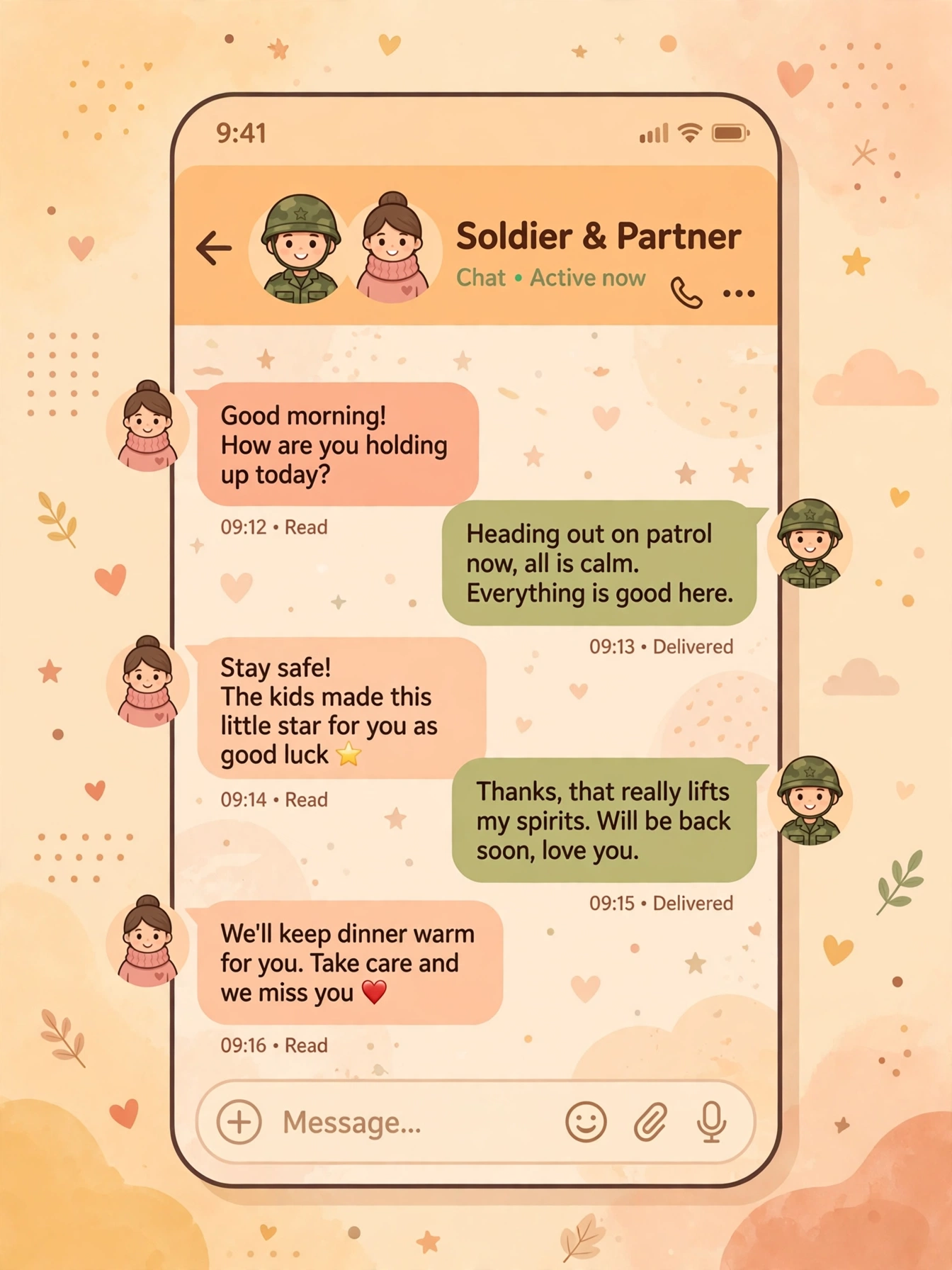
Memes follow the same pattern. A typical Jody meme shows a smiling civilian captioned “Jody” standing in front of a soldier’s house, car, or girlfriend — and the joke is always that Jody is living the soldier’s life while the soldier is away. The humour is exaggerated on purpose. Nobody believes a single man is stealing everyone’s car, but the exaggeration is what makes it funny.
Comparison with Similar Terms
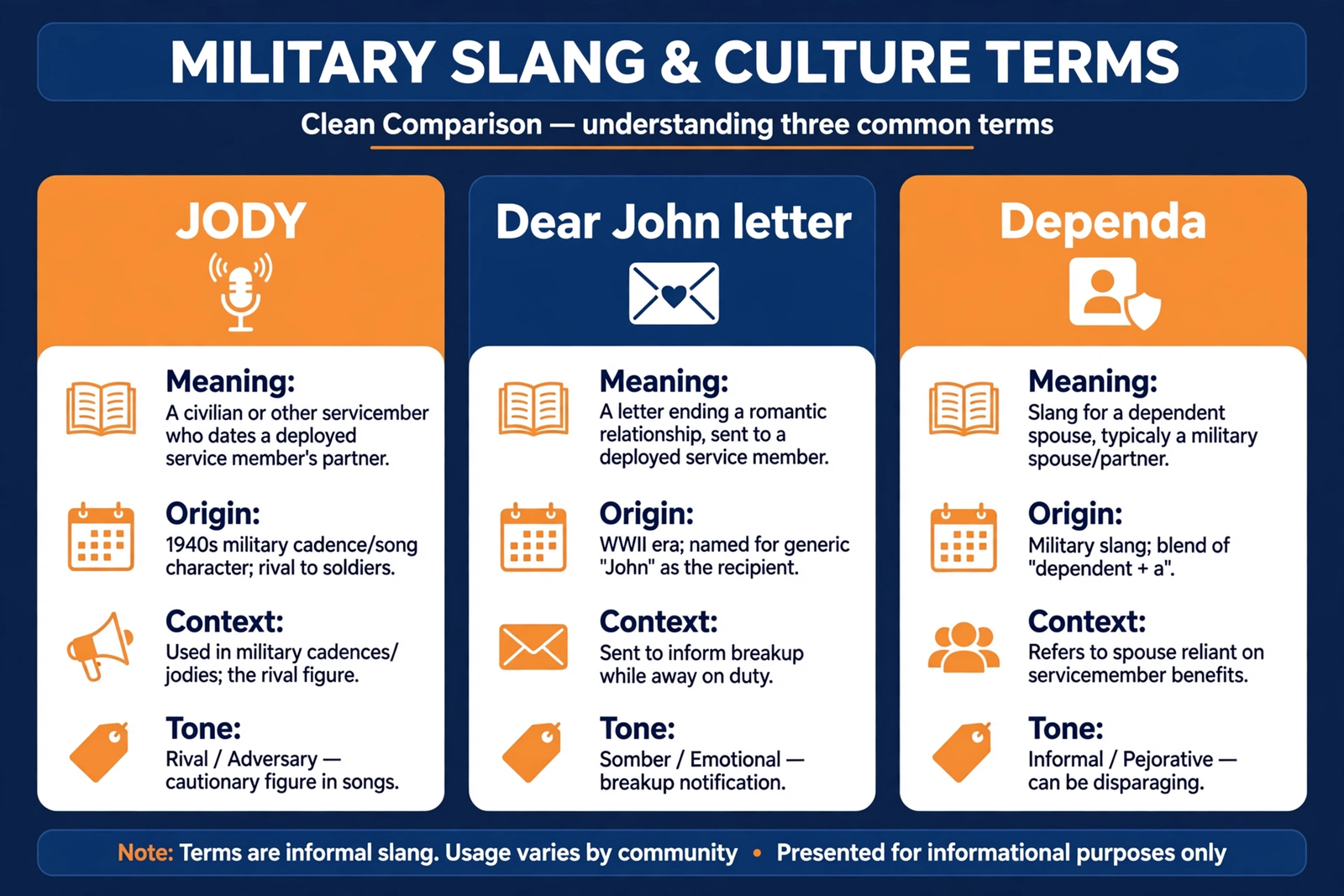
Jody is part of a whole family of military relationship slang. Each term describes a different piece of the same problem, and mixing them up is one of the most common mistakes civilians make. This table sorts them out.
| Term | Meaning | Who It Describes | Tone |
|---|---|---|---|
| Jody | The civilian man back home who pursues a deployed soldier’s partner | The other man | Joking, teasing, sometimes serious |
| Dear John letter | A letter or message ending a relationship while a soldier is deployed | The break-up itself | Serious, sad |
| Dependa | A slang term for a military spouse seen as dependent on the soldier’s benefits | The spouse | Mocking, often disrespectful |
| Cuck | General internet slang for a man whose partner cheats on him | The cheated-on man | Insulting |
| Barracks bunny | A civilian who hangs around military bases seeking relationships with soldiers | The pursuer near the base | Derogatory |
| Getting Jodied | Losing your partner to a Jody while deployed | What happens to the soldier | Joking or sympathetic |
The key difference is the role. Jody is the other man, the Dear John letter is the break-up message, and “getting Jodied” is what happens to the soldier. People often use “Dear John” and “Jody” as if they were the same thing, but they are not: a Dear John letter can arrive for many reasons, and Jody is only one of them. Similarly, “dependa” describes the spouse, not the other man, and it is a much harsher and more disrespectful word than Jody — it is best avoided in polite conversation. If you are learning other slang words too, our guide to BFE meaning is a good next read, since BFE is another military slang term that civilians often hear without understanding.
Alternate Meanings
Like many slang words, “Jody” has more than one meaning, and the context decides which one is intended.
1. The Jody call. In its oldest sense, “Jody” refers to the cadence song itself, not the character. A soldier might say, “We sang a Jody on the run this morning,” meaning the unit sang a Jody call. This use is common in basic training, where cadence calls are part of daily life.
2. A person’s name. Jody is also an ordinary first name, for men and women, and most people named Jody have no connection to the military at all. If someone introduces themselves as Jody in a civilian setting, they are just Jody — the slang meaning only applies in a military context, or when someone is clearly making a military joke.
3. The verb form. As a verb, “to Jody” or “to get Jodied” describes the act of losing a partner to someone back home. This verb form is newer than the noun, and it is mostly used online and in casual conversation rather than in official settings.
4. Jody in music. The name also appears in the famous song “Jody,” which grew out of the cadence tradition, and in other folk and country songs that borrow the character. In these songs, Jody is the same figure: the man back home with your girl.
Outside the military, the word has also started to appear as general slang for a homewrecker — someone who dates a person whose partner is away for work, travel, or any long absence. This broader use is less common, but it shows how military slang slowly spreads into everyday English.
Professional or Polite Alternatives
Jody is funny among soldiers, but it is not a word for every situation. In front of a military spouse, a family member, or a civilian who has just been through a break-up, joking about Jody can come across as cruel rather than funny. Here are more respectful ways to say the same thing:
- “He is dealing with a break-up during deployment.” — Neutral, factual, and kind.
- “Long separations are hard on relationships.” — A general statement that avoids blame.
- “His partner ended the relationship while he was away.” — Clear, without the joke framing.
- “They are going through a difficult time at home.” — Appropriate for a formal or professional setting.
If you are writing or speaking in a professional context — a news article, a briefing, a support group — use these alternatives. Save “Jody” for casual conversation among people who understand the military humour and will not be hurt by it. And never call a real person “Jody” to their face unless you are sure they will take it as a joke: as an accusation, it is a serious insult.
Common Mistakes
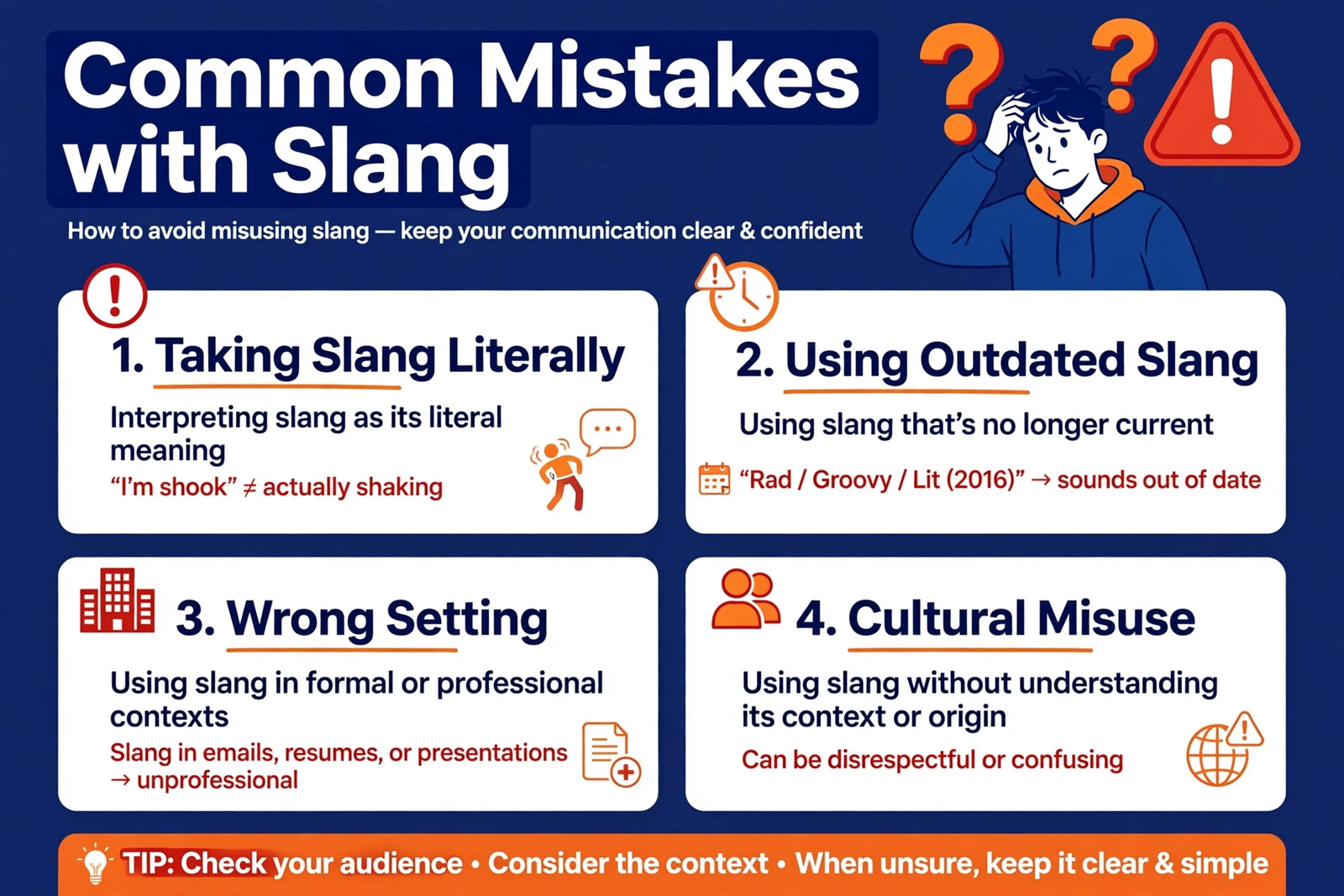
People new to the term make a few predictable mistakes. Avoid these, and you will sound like you actually understand the word.
1. Thinking Jody is a real person. Jody is a character, not an individual. There is no single man named Jody who steals every soldier’s girlfriend. When someone says “Jody got him,” they mean the situation happened, not that a man literally named Jody did it.
2. Using Jody to describe any cheating. Jody is specific to the military deployment situation — a partner back home while the soldier is away. Cheating in civilian life, or cheating while both partners are in the same city, is not “getting Jodied.” The deployment is part of the definition.
3. Confusing Jody with the Dear John letter. A Dear John letter is the message that ends the relationship. Jody is the person (or the idea of the person) who caused it. You can get a Dear John letter without any Jody being involved — sometimes relationships simply end under the strain of separation.
4. Joking about Jody with the wrong audience. The joke lands with soldiers and veterans. It does not land with a military spouse who has just been accused, a soldier who has just been cheated on, or a civilian who does not know the context. Read the room before you use the word.
5. Spelling it “Jodie.” The military spelling is “Jody.” “Jodie” is a common spelling of the name in civilian life, but the slang term, the cadence calls, and the memes all use “Jody.”
Quick Tips
Whether you are a soldier, a military family member, or just someone trying to understand the slang, these tips will help you use — and understand — the word correctly.
- Learn the context first. Before you use “Jody” in conversation, make sure you understand that it comes from cadence calls and deployment culture, not from a single real person.
- Keep it among people who get the joke. Use it with soldiers, veterans, and military friends. Avoid it in formal settings and with people who may find it hurtful.
- Listen to a Jody call. Hearing the cadence sung on a run explains the word better than any definition. Search for a classic Jody call recording to hear the rhythm and the humour.
- Do not accuse real people. Calling a real civilian “Jody” is an accusation of cheating. Never use the word that way unless you have proof and a good reason.
- Remember the serious side. Behind the joke is a real stress: deployment separates families for months. The humour exists because the fear is real, and a little empathy goes a long way.
- Use the verb carefully. “He got Jodied” is casual slang. In a serious conversation about someone’s break-up, plain language is kinder.
- Explore related slang. Military slang is a whole world — terms like FN meaning in text show how the same kind of short, punchy language works in everyday messaging too.


FAQ
What does Jody mean in military slang?
In military slang, Jody is the civilian man back home who dates or sleeps with a deployed soldier’s girlfriend or wife while the soldier is away. The term comes from the “Jody calls,” the marching cadence songs in which Jody steals the soldier’s girl, car, and money. It is both a joke and a warning about the risks of long separations.
Where did the term Jody come from?
Jody comes from US Army cadence calls that became popular during World War II. African American soldiers sang marching songs about Jody, the man back home with the soldier’s girl, and the character spread through the military during the Korean and Vietnam wars. The name was chosen because it sounded like an ordinary civilian name — any guy back home could be Jody.
What is a Jody call?
A Jody call is a type of military cadence call — a rhythmic marching song — built around the Jody character. The most famous line is “Ain’t no use in going home, Jody’s got your girl and gone.” Drill sergeants and soldiers sing Jody calls on runs and marches to keep step and lift morale.
What does it mean to get Jodied?
To “get Jodied” means to lose your partner to someone else while you are deployed or away on military duty. It is the verb form of Jody. Soldiers use it jokingly among friends, but it describes a painful real situation — a break-up or infidelity during a long separation.
Is Jody a real person?
No. Jody is a fictional character from military cadence songs, not a real individual. The name stands for any civilian back home who might pursue a soldier’s partner. When soldiers talk about Jody, they are talking about the situation, not a specific man named Jody.
What is a Dear John letter?
A Dear John letter is a message that ends a relationship while a soldier is deployed. It is traditionally a letter, but today it is often a text or email. A Dear John letter and Jody are related but different: the letter is the break-up message, and Jody is the person who may have caused it — though not every Dear John letter involves a Jody.
Is it offensive to call someone Jody?
It can be. Among soldiers who understand the joke, it is usually teasing. But calling a real person “Jody” accuses them of pursuing someone else’s partner, which is a serious insult. It is also hurtful to joke about Jody in front of someone who has recently been cheated on or gone through a deployment break-up. Use the word carefully.
Do soldiers still use the word Jody today?
Yes. Jody calls are still sung in basic training, and the word is still used in everyday military conversation, in veteran communities, and in deployment memes on social media. The term has survived since World War II because the situation it describes — long separations during deployment — is still a part of military life.
Conclusion
Jody is one of the most famous words in military slang, and now you know exactly what it means. A Jody is the civilian back home who takes up with a deployed soldier’s partner — a character born in the cadence calls of World War II, kept alive by generations of soldiers, and now known far beyond the military through movies, music, and memes. The word is a joke, a warning, and a piece of history all at once.
The practical takeaway is simple. If you hear a soldier joke about Jody, understand the humour — and the real anxiety behind it. If you use the word yourself, use it with people who understand the context, and keep it away from formal settings and painful situations. And if you want to keep learning the language soldiers actually speak, keep exploring: from deployment slang like Jody to everyday texting abbreviations, the words people use tell you a lot about the lives they live. For more, browse our Australian slang words guide and our git slang breakdown, and keep building your slang vocabulary one term at a time.
