
Quick definition: Slang words for penis are informal, humorous, or vulgar nicknames for the male reproductive organ — words like dick, cock, schlong, willy, dong, and wang. They range from polite euphemisms like “member” to crude jokes like “trouser snake,” and the right choice depends entirely on who you are talking to.
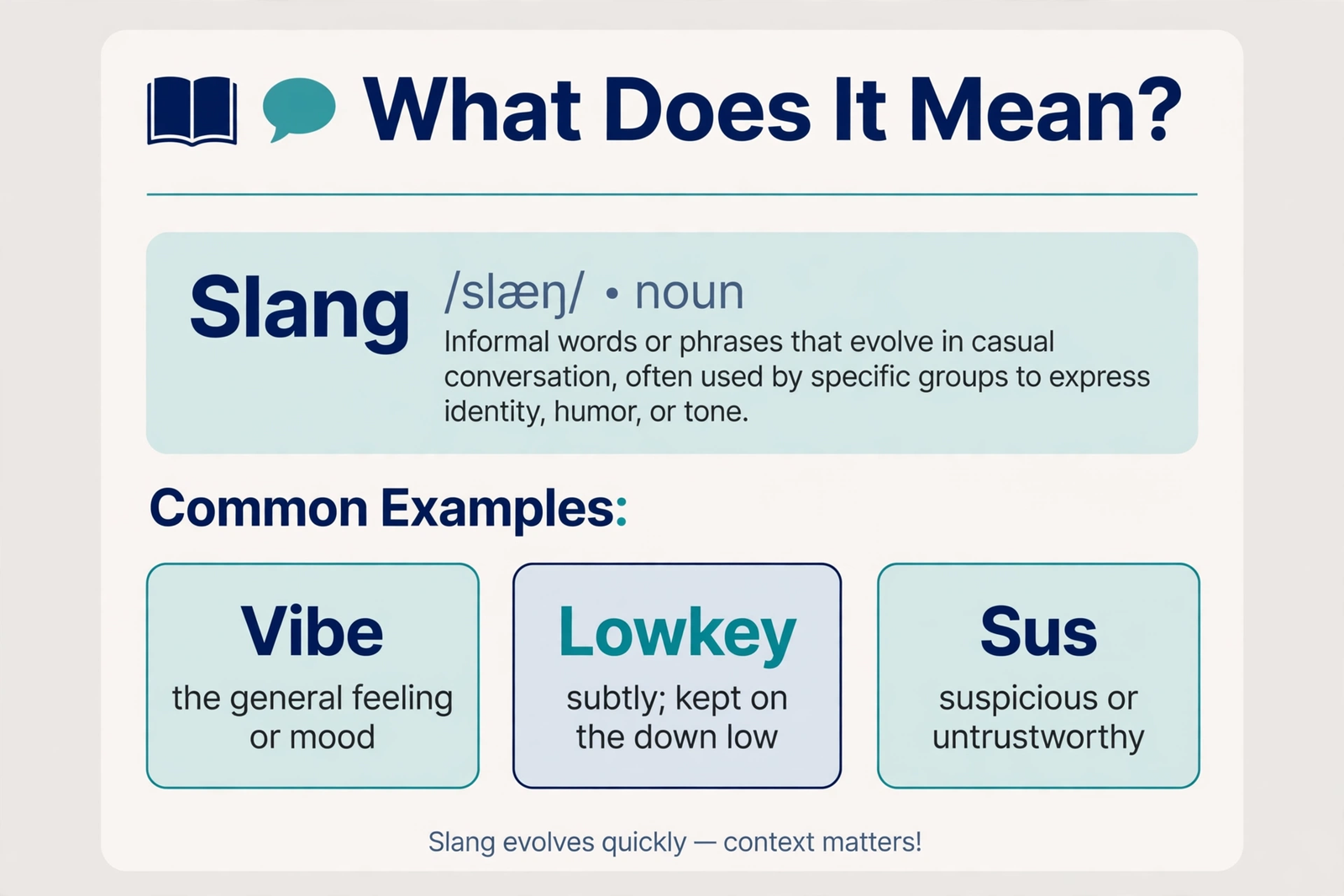
slang words for penis Meaning & Definition
When people search for slang words for penis, they usually want one of two things: a list of the terms themselves, or help understanding a word they just heard in a song, a meme, a group chat, or a TV show. The short answer is that English has hundreds of slang words for the penis — probably more than for any other body part — and they fall into a few clear families. Some are old and formal-sounding (member, manhood), some are everyday and blunt (dick, cock), and some are pure jokes built on food, animals, tools, or weapons (banana, anaconda, joystick).
What makes this topic interesting for language lovers is why so many words exist at all. Taboo words attract euphemisms: because the direct word can feel awkward, clinical, or rude, people keep inventing playful replacements. Linguists call this the euphemism treadmill — a polite word slowly becomes awkward itself, so a new one takes its place. That is why your grandfather said “willy,” your dad said “dick,” and your group chat says something you had never heard before last week.
This guide covers the 25 most common slang words for penis, what each one actually means, where it comes from, how rude it is, and when — if ever — to use it. Everything here is written for language learners, writers, and the simply curious, so the definitions stay factual and the examples stay clean enough to read anywhere.
Introduction
Almost every language has a long list of nicknames for the penis, but English might have the longest. Dictionaries of slang list well over 400 terms, from the famous (dick, cock) to the forgotten (pink oboe, luncheon-meat truncheon). New ones appear every year in rap lyrics, comedy, and TikTok comments, while older ones quietly retire. If you have ever laughed at a joke you only half understood, or paused a show to look up a word, you have already met this corner of slang.
Understanding these words matters for more than curiosity. They show up in movies, music, memes, and everyday conversation, and the wrong one in the wrong room can be embarrassing. A “willy” is a joke in a British comedy; the same word in a formal email would be bizarre. A “dick” is normal among friends but crude at work. Learning the tone of each term — not just its definition — is the real skill, and that is exactly what this article teaches.
Origin
The slang history of the penis goes back centuries, and the oldest terms tell a story about how people thought about the body. Some of the earliest nicknames came from men’s names: Roger was used in the 1800s, Thomas followed in 1811, and then came Dick, Peter, and Willie — all ordinary first names that became slang, probably because using a person’s name felt friendlier and less clinical than the medical word. “Johnson” followed the same pattern much later, first noted in the 1860s, and it is still one of the most recognized American euphemisms today.
Other terms came from the world people saw every day. “Cock” is one of the oldest, recorded as slang in the 1610s, and it likely comes from the rooster — the bird’s comb and wattles swell and redden when excited, a comparison people found too obvious to ignore. The word became so tied to the slang meaning that Americans eventually invented a new word, “rooster,” just to talk about the bird politely. “Prick” started as a word for a sharp point or a thorn before it became slang, and “tool” and “rod” followed the same logic: a long, useful object makes an easy metaphor.
Food metaphors arrived later and never left. Banana, sausage, cucumber, and meat all became slang because of their shape, and comedy writers loved them because a food joke sounds harmless even when everyone knows what it means. Animal metaphors worked the same way: a snake became a “trouser snake,” and a large one became an “anaconda” after the giant snake, a comparison made famous by Sir Mix-a-Lot’s 1992 hit “Baby Got Back.” The pattern is simple — people name the thing after something that looks like it, sounds like it, or does what it does.
Popularity
Today, a small group of terms does most of the work. In American English, “dick” is by far the most common slang word for penis — it appears in everyday speech, comedy, and music, and it doubles as an insult for a rude person. “Cock” is almost as common but sounds more vulgar to most ears, and it shows up more in explicit jokes and adult content than in casual conversation. “Schlong” is a favorite in comedy because it sounds funny and slightly old-fashioned, while “willy” is the go-to joke word in British English and in children’s humor everywhere.
Pop culture keeps the list fresh. Rappers and comedians coin new terms, TikTok spreads them in days, and TV shows like sitcoms and late-night comedy keep the classics alive. The word “junk” became popular in the 2000s as a casual, slightly gross catch-all, and “member” has survived for decades as the polite choice in medical shows and legal dramas. Meanwhile, the most creative terms — “one-eyed monster,” “purple-headed yogurt slinger,” “love rocket” — live mostly in joke lists and comedy routines, where exaggeration is the whole point.
Search data tells the same story. People look up these terms when they hear them in a song, read them in a comment, or need a funny word for a joke or a story. Curiosity, not confusion, drives most searches — and because the terms are so tied to tone, most readers want to know how rude a word is before they ever say it out loud.
How It Is Used
Most slang words for penis are nouns, and they are used in the same sentence patterns as the clinical word: as the subject of a joke, the object of a verb, or part of a fixed phrase. “He got hit in the dick” is a normal casual sentence. “Don’t be such a dick” uses the same word as an insult, which is one of the most common uses of all — calling someone a “dick,” a “prick,” or a “dickhead” has almost nothing to do with anatomy and everything to do with attitude.
Tone is everything. The same word can be friendly, neutral, or offensive depending on the room. Friends joking around can use almost any term. A doctor, a teacher, or a workplace email should use the clinical word or a polite euphemism like “member.” British speakers use “willy” and “knob” as light jokes; Americans hearing those words for the first time often laugh because they sound silly rather than rude. And some terms, like “cock” and “prick,” are strong enough that they can offend strangers even when used as jokes.
These words also appear in fixed expressions. “To get some” is not about anatomy at all, but phrases like “whip it out” and “show your junk” are. In comedy, the joke usually comes from the metaphor itself — comparing the organ to a banana, a snake, or a joystick is funny precisely because the comparison is ridiculous. Writers use these terms to set a tone fast: one slang word tells the reader whether a scene is crude, playful, or romantic.
Examples
Real examples show how these terms actually sound in conversation. Notice how the same idea changes completely when the word changes — that shift in tone is the whole reason so many terms exist.
Friendly Examples
- “He slipped on the ice and landed right on his junk. We could not stop laughing for ten minutes.”
- “My little brother still calls it his willy. He is six, so honestly, that is the correct word.”
- “The movie had a running joke about the guy’s trouser snake. It was dumb, but it worked.”
- “She texted me, ‘Your banana is showing,’ because my gym shorts were too short. I died laughing.”
Professional Examples
- In a medical or formal setting, nobody uses slang: “The patient reported pain in the penis after the injury.” The clinical word is the professional choice, every time.
- In a script or a novel, a writer might choose “member” to stay polite: “He adjusted his clothing, suddenly aware of his member pressing against the fabric.”
- A teacher explaining slang in a language class might say: “The word ‘dick’ is common in American English, but it is too informal for a formal essay.”
Funny Examples
- “He called it his anaconda. Buddy, we have all seen the pool photos. It is a garden snake at best.”
- “My grandpa still calls it his Johnson, like it is 1955 and he is a character in a western.”
- “The comedian did five minutes on why men name it like a pet — apparently everyone knows a guy with a ‘Little Elvis.'”
- “She asked if he had a joystick, and he said, ‘Only player one.’ The whole table lost it.”
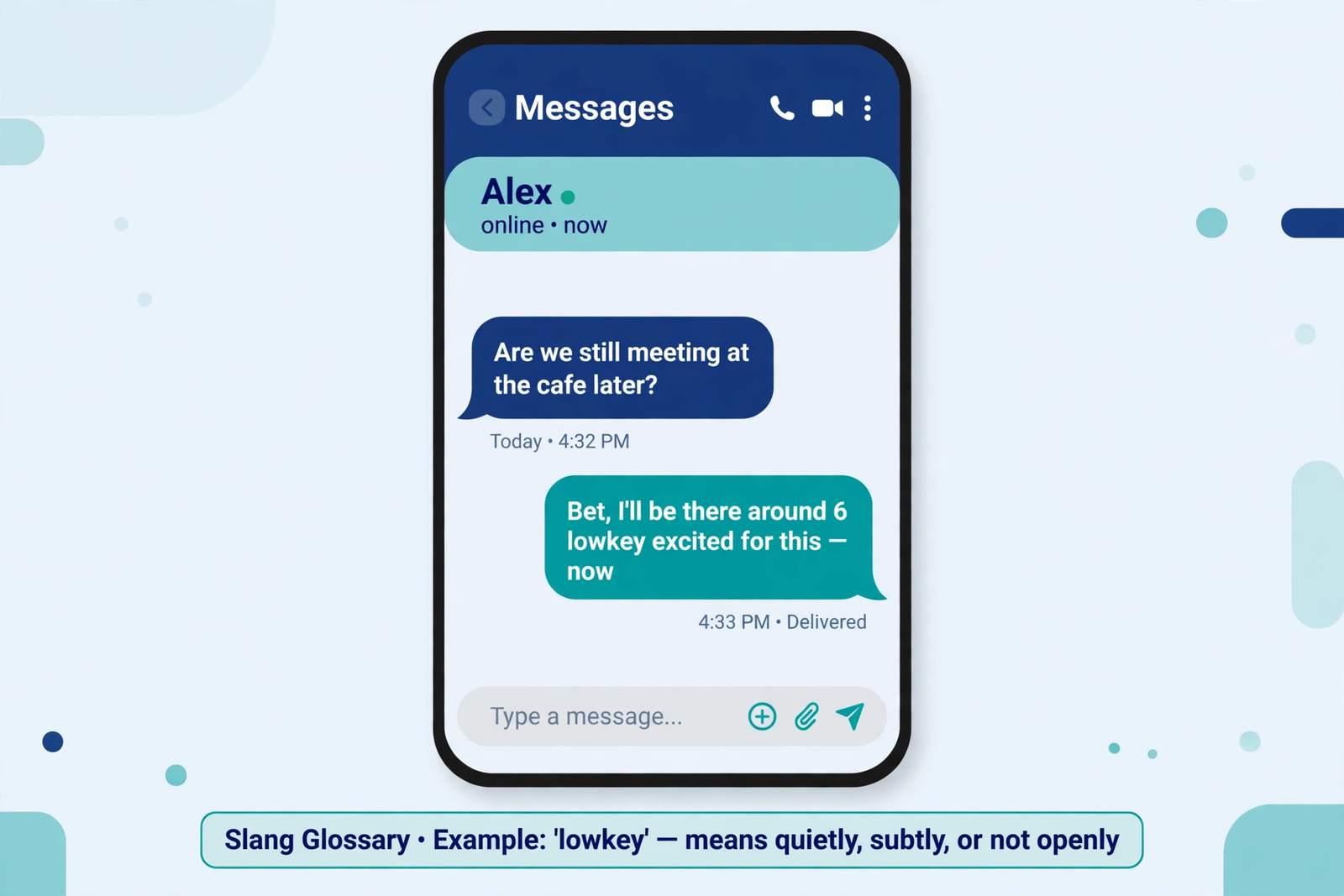
Comparison with Similar Terms
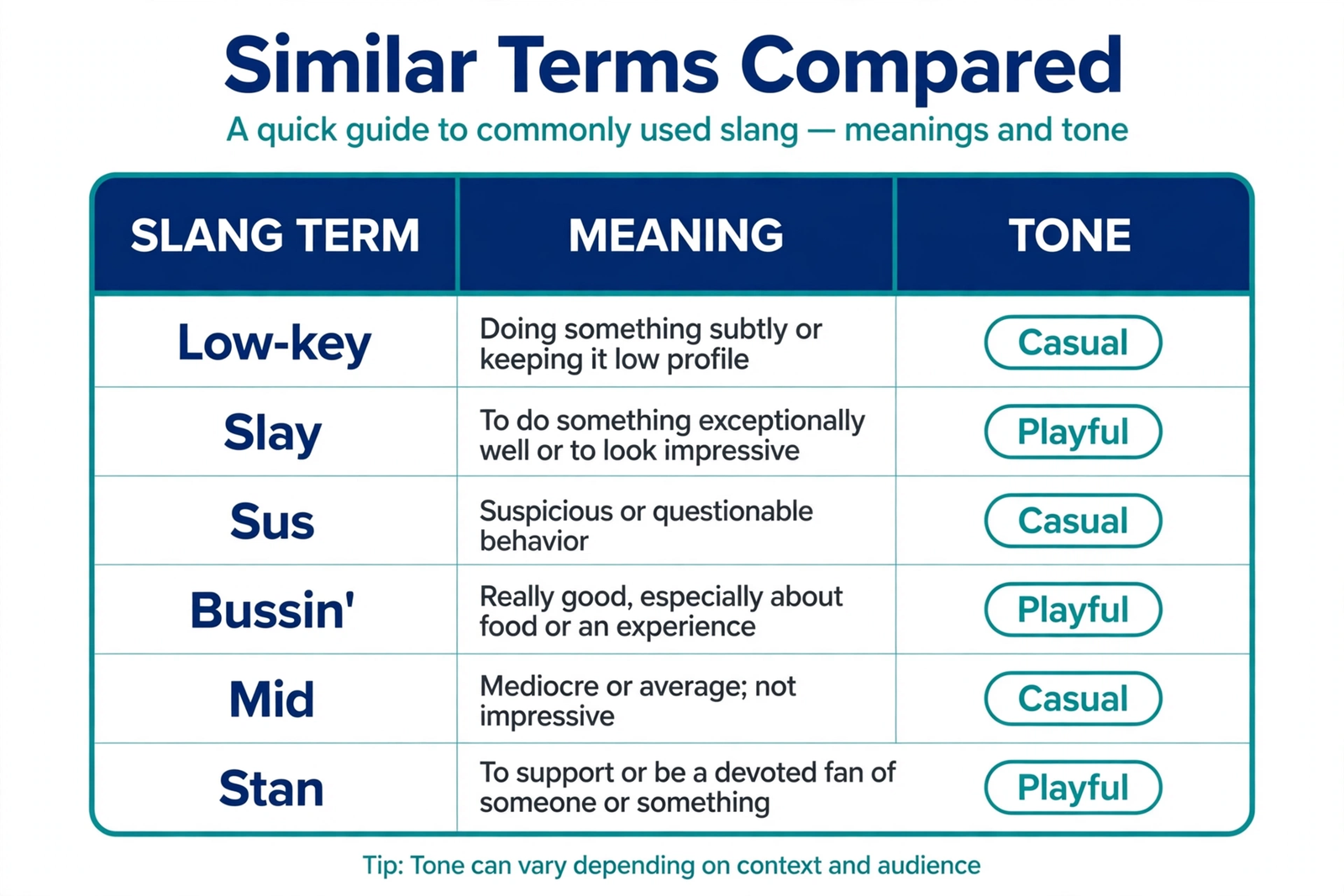
The 25 terms below cover the words you are most likely to hear. The table gives each term’s basic meaning, its tone, and a short example so you can judge at a glance which ones are safe, which are jokes, and which are rude.
| Slang term | What it means | Tone |
|---|---|---|
| Dick | The most common slang word for penis; also an insult for a rude man | Informal, mildly vulgar |
| Cock | A blunt, very common slang word; also a rooster | Vulgar |
| Schlong | A long penis, used jokingly; from Yiddish “shlang” (snake) | Funny, informal |
| Willy | A light, silly word, popular in British English and children’s humor | Polite joke |
| Dong | A casual, old-fashioned slang word, popular in comedy | Informal, funny |
| Wang | Short, punchy slang; a favorite in jokes and rap lyrics | Informal |
| Prick | A sharp, rude slang word; also a common insult for a jerk | Vulgar |
| Pecker | An old American slang word, now mostly used in jokes | Informal, dated |
| Johnson | A classic American euphemism, from the common surname | Polite euphemism |
| Peter | An old-fashioned nickname from the first name Peter | Dated, mild |
| Tool | A metaphorical slang word; also an insult for a foolish man | Informal |
| Rod | A straightforward metaphor based on shape | Informal |
| Shaft | A metaphor for the main part of the organ | Informal |
| Member | The polite, formal euphemism used in medical and legal talk | Formal, polite |
| Junk | A casual catch-all for the male genitals | Informal, crude |
| Trouser snake | A joking metaphor comparing the organ to a snake | Funny, informal |
| Anaconda | A joking word for a very large penis, after the giant snake | Funny, boastful |
| Joystick | A playful metaphor comparing it to a game controller | Funny, informal |
| Banana | A food metaphor based on shape; a favorite in comedy | Funny, mild |
| Sausage | A food metaphor, common in jokes and casual talk | Funny, mild |
| Ding-dong | A silly, childish-sounding word, mostly used as a joke | Silly, mild |
| Knob | A British slang word; also an insult for a foolish person in the UK | Informal, British |
| One-eyed monster | A joking, exaggerated metaphor, popular in comedy lists | Funny, crude |
| Love rod | A romantic or poetic euphemism, common in old jokes and songs | Playful, mild |
| Chode | Slang for a short, wide penis; also an insult for a rude person | Vulgar, insulting |
Compared with other slang families, penis slang is unusual in one way: the same word often works as both a body-part nickname and an insult. “Dick,” “prick,” “tool,” “knob,” and “chode” all double as ways to call someone stupid or rude, and in everyday speech the insult use is often more common than the anatomical one. That is different from most slang for other body parts, where the word usually stays literal.
It also differs from female-anatomy slang in tone: penis slang leans heavily on jokes about size and power (anaconda, love rod, joystick), while the metaphors themselves — snakes, tools, weapons, food — reflect what each generation found funny. A term like “member” survives because it is useful in polite company; a term like “one-eyed monster” survives because it is useful in a joke. The list never really shrinks, it just changes its favorites.
Alternate Meanings
Almost every slang word for penis has a second life, and that second meaning is often the one people use most. “Dick” is a short form of the name Richard, and it was used for centuries as an ordinary word for a man or fellow before it ever became slang for anatomy. The anatomical meaning is recorded from the 1890s in British army slang, but the name came first. “Peter” and “Willie” have the same history — first names first, slang second.
“Cock” has the richest double life. It still means a rooster, a faucet tap, and the action of pulling back the hammer of a gun, and in old British slang it could even be a friendly word for a mate (“Alright, cock?”). “Tool” means a hammer or a wrench before it means anything else, and “rod” is a fishing rod or a curtain rod. “Johnson” is one of the most common surnames in America, which is exactly why it works as slang — it sounds like a normal word until the context gives it away.
Some terms only mean the body part in context. “Junk” usually means trash or clutter, and “member” usually means a person who belongs to a group. The slang meaning appears only when the sentence is about the body. That ambiguity is part of the appeal: a joke can hide in a normal sentence, and only the people who know the slang will catch it. Writers and comedians use that trick constantly.
Professional or Polite Alternatives
If you need to talk about the penis in a formal, professional, or polite setting, the answer is simple: use the clinical word “penis,” or the euphemism “member” if you need something softer. Doctors, teachers, writers of formal essays, and anyone writing a work email should avoid slang entirely. “The patient reported pain” is a medical sentence; “He hurt his dick” is a text to a friend. The setting decides the word.
When you need a lighter word that still sounds grown-up, “member” and “manhood” are the safest choices — old-fashioned, but never offensive. “Johnson” and “willy” work in casual conversation when the mood is already playful, but they still sound like jokes, so keep them out of serious discussions. In children’s books and family settings, “willy” and “pee-pee” are the usual choices, and they are understood as child-friendly words rather than adult slang.
A good rule is to match the room. If everyone is joking, a joke word is fine. If anyone in the conversation is a stranger, a colleague, or a child, switch to the clinical word. And if you are writing for publication — a school paper, a work document, a news article — slang for the penis almost never belongs there at all. Like other texting shorthand, the tone rules are the same as for terms such as IMK or CFS: fine with friends, wrong in a formal setting.
Common Mistakes
The most common mistake is using a vulgar term in the wrong setting. Saying “cock” or “prick” in a work meeting, a classroom, or a family dinner will shock people even if you meant it as a joke, and it can damage your reputation. Slang that feels normal in a group chat can sound aggressive face to face, especially with strangers. When in doubt, use the polite word — nobody is ever offended by “penis” or “member.”
The second mistake is confusing the insult use with the anatomical use. Calling someone a “dick” is an insult, not a compliment, and calling someone a “tool” means you think they are foolish. New English learners sometimes hear these words in movies and repeat them without realizing they just insulted someone. If a word can be an insult, assume it is one until you are sure of the context.
A third mistake is using a size joke that lands badly. Calling your own anatomy an “anaconda” is a joke about being well-endowed, and it can sound arrogant rather than funny. Calling someone else’s a “chode” or a “dicklet” is an insult about size, and it will be taken that way. The size jokes are the most likely to offend, because they are personal even when they are meant as humor.
Finally, do not use these words to be edgy in writing. Stuffing a story or an essay with crude slang does not make it funnier — it makes it harder to read, and it can get content flagged or removed on most platforms. One well-chosen joke word is funny; ten in a row is just noise. Good writers pick the single term that fits the scene and leave the rest in the dictionary.
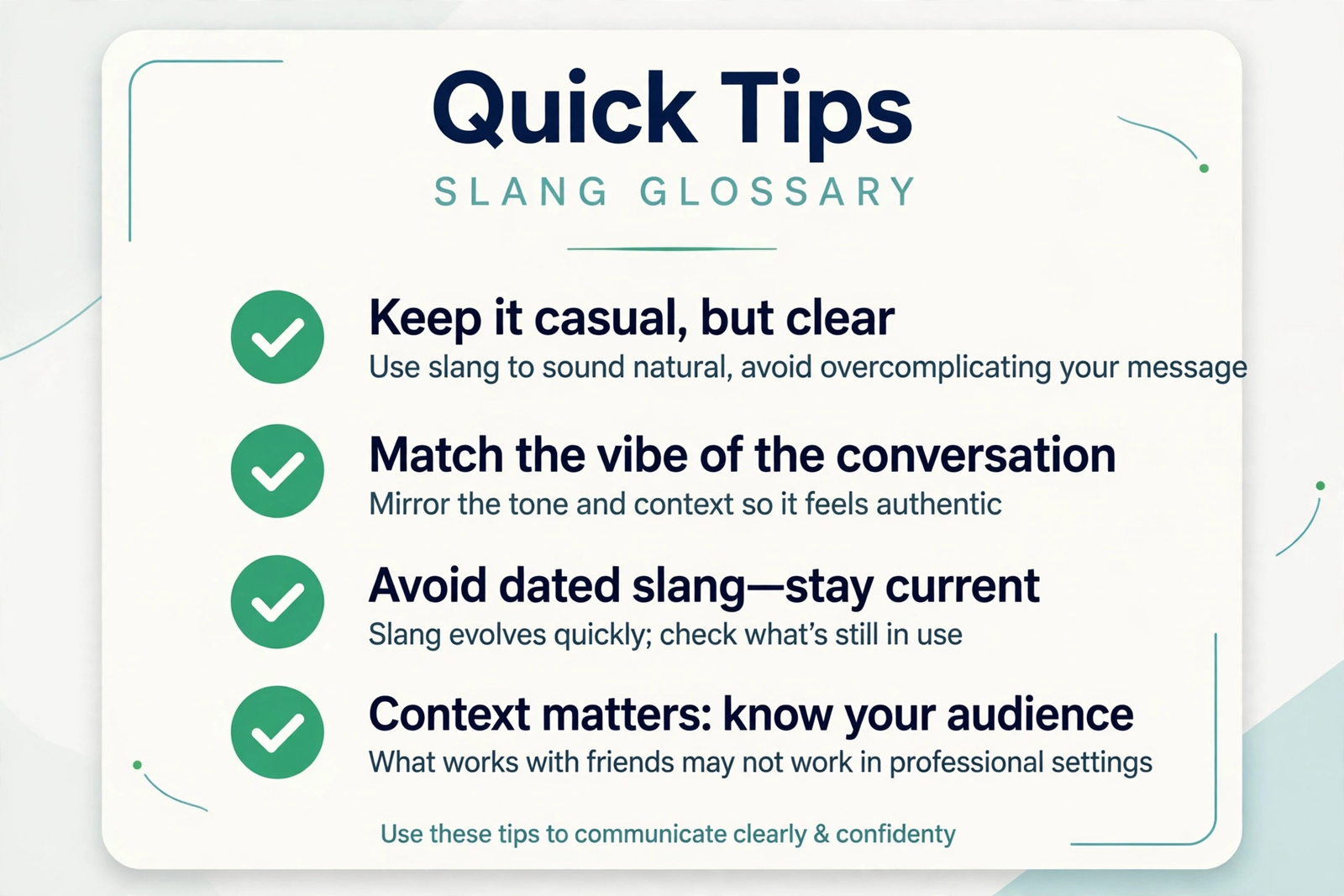
Quick Tips
- Match the room: joke words with friends, clinical words at work, polite words with strangers.
- Learn the insult use first: dick, prick, tool, knob, and chode are insults as often as they are body-part words.
- When in doubt, say “penis” or “member”: nobody is ever offended by the polite word.
- British vs. American: “willy” and “knob” are British jokes; “dick” and “schlong” are the American defaults.
- Food and animal jokes are the safest humor: banana, sausage, and trouser snake sound funny without sounding angry.
- Never use size jokes about someone else: anaconda is a boast, chode is an insult — both are personal.
- One term per joke: a single well-placed slang word is funny; a list of ten is not.
- Check the platform: most social media and publishing platforms flag or limit crude slang, so keep it clean in public posts.

FAQ
1. What are the most common slang words for penis?
The most common slang words for penis are dick, cock, schlong, willy, dong, wang, prick, pecker, Johnson, and member. Dick is the everyday default in American English, cock is blunter and more vulgar, willy is the British joke word, and member is the polite euphemism used in formal or medical settings.
2. What does “dick” mean in slang?
In slang, “dick” means the penis, and it is the most common slang word for it in American English. It is also used as an insult for a rude or unpleasant man (“Don’t be such a dick”). The word started as a short form of the name Richard before it became slang in the 1890s.
3. Is “cock” rude?
Yes, “cock” is considered vulgar by most English speakers. It is common in comedy, music, and casual speech among friends, but it is too crude for work, school, or formal writing. It is also the word for a rooster, which is why Americans invented the word “rooster” to talk about the bird politely.
4. What is a polite way to say penis?
The polite way to say penis is simply “penis,” which is the clinical word and is never offensive. If you want a softer euphemism, “member” and “manhood” are the traditional polite choices. “Johnson” and “willy” are lighter and friendlier, but they still sound like jokes, so they belong in casual conversation, not formal settings.
5. What does “schlong” mean?
“Schlong” is slang for a penis, usually implying a long one, and it comes from the Yiddish word “shlang,” meaning snake. It is a favorite in American comedy because it sounds funny and slightly old-fashioned. It is informal but not one of the rudest terms, so it works well in jokes among friends.
6. What does “willy” mean?
“Willy” is a light, silly slang word for penis, especially popular in British English. It comes from the first name Willie and has been used as a joke word for generations. Because it sounds childish rather than crude, it is one of the few slang terms that works in family-friendly comedy and children’s humor.
7. What is a “trouser snake”?
A “trouser snake” is a joking slang term for penis that compares it to a snake hiding in trousers. It belongs to a whole family of snake metaphors, including “anaconda” for a large one and “one-eyed trouser snake” as the longer, sillier version. It is a comedy word, not a serious one.
8. Can I use these slang words at work?
No — slang words for penis do not belong at work. In a professional setting, use the clinical word “penis” or a polite euphemism like “member.” Even mild joke words like “willy” sound out of place in a meeting or an email, and vulgar terms like “cock” or “prick” can be reported as inappropriate language. Save the slang for friends, comedy, and casual conversation.
Conclusion
English has hundreds of slang words for penis, but you only need to know a handful to understand almost every joke, song, and conversation where they appear. Dick is the everyday default, cock is the blunt one, schlong is the comedy favorite, willy is the British joke, and member is the polite word that works everywhere. The rest — anaconda, joystick, banana, trouser snake — are jokes built on shape, and they are funny precisely because the comparison is so ridiculous.
The real lesson is not the list, it is the tone. Every term on this list carries a level of rudeness, a regional flavor, and a social setting where it fits. Learning those rules is what keeps you from saying the wrong word in the wrong room, and it is also what makes the jokes land when the room is right. Use the polite word with strangers, the joke word with friends, and the clinical word whenever it matters.
And if you only remember one thing, make it this: slang is a social skill, not just a vocabulary list. The words change every year — new ones arrive in songs and memes while old ones fade — but the rule never changes. Match the word to the room, and you will always sound like you belong there. For more slang definitions, see the dick entry on Urban Dictionary, and explore related texting slang like FN and FAFO on this site.
Quick recap: slang words for penis = informal nicknames for the male organ · dick is the most common, cock the crudest, willy the British joke, member the polite choice · tone depends on the room · food, animal, and tool metaphors drive most of the jokes.
