
Quick Definition: In slang, trifling slang describes a person, action, or situation that is worthless, petty, unserious, or not worth your time. When someone says “He’s trifling,” they usually mean he is unreliable, selfish, messy, or playing games — the kind of person who starts drama, cheats, flakes on plans, or puts in low effort and still expects attention. It can also describe the behaviour itself: a trifling excuse, a trifling lie, or a trifling situation is one that feels cheap, disrespectful, or beneath you.
Trifling Slang Meaning & Definition
At its core, trifling slang is a judgement word. It does not just say something is small or unimportant — it says it is not worthy of respect. If a friend calls an ex trifling, she is not saying he made one small mistake. She is saying his whole pattern was low-effort, dishonest, or messy. If someone calls a rumour trifling, they mean it is petty gossip that serious people should ignore.
The word works as an adjective, and it is almost always negative. You can call a person trifling, a habit trifling, a lie trifling, or a whole situation trifling. In each case the message is the same: this is not serious, not sincere, and not worth your energy. That is why it shows up so often in venting, in group chats, in comment sections, and in TikTok storytimes where someone is finally naming bad behaviour out loud.
Here is the simplest way to remember it:
- Trifling person: unreliable, selfish, messy, or disloyal — someone who cannot be counted on.
- Trifling behaviour: cheating, lying, ghosting, starting drama, or making empty promises.
- Trifling thing: a low-effort, petty, or worthless attempt, like a lazy apology or a half-hearted excuse.
- Trifling situation: drama or mess that feels embarrassing, unnecessary, and easy to avoid.
Context changes the exact shade of meaning. Among close friends, “trifling” can be playful teasing — “You’re so trifling for eating my fries” — where everyone knows it is a joke. In a serious conversation about a relationship, the same word carries real weight. It becomes an accusation: you did not respect me, you did not try, and I noticed. Tone, relationship, and situation decide whether it lands as a joke or a warning, and that flexibility is part of why the term has lasted so long.
Introduction
You have probably seen it in a comment section or heard it in a voice note: “He is so trifling.” No long story follows, because none is needed. Everyone reading already understands the picture — a person who lies a little too easily, who shows up late or not at all, who starts mess and then acts innocent, or who treats people as disposable. Trifling slang packs all of that judgement into a single word, and that is exactly why it keeps spreading from group chats to TikTok captions to everyday conversation.
Unlike some slang that fades in a few months, trifling has real staying power. It is not a brand-new internet invention. It has roots in older American English, deep roots in African American Vernacular English (AAVE), and a long history in Southern Black communities, where it described people who were lazy, dishonest, or simply no good. Social media did not create the word — it gave it a bigger stage. Now a teenager in a text thread, a creator telling a storytime on TikTok, and a grandmother shaking her head at family drama can all use the same word and mean the same thing.
In this guide, we will break down the full meaning of trifling in slang, where it came from, how it is used in text and on TikTok, and how it compares to similar words like petty, shady, and messy. You will get real examples for friendly, professional, and funny situations, plus the common mistakes people make and the polite alternatives to use when “trifling” is too blunt for the room. If you enjoy decoding internet language, you will also like our guide to IMO meaning slang, another short phrase that carries a lot more attitude than it first appears to.

Origin
The story of trifling slang starts long before TikTok, and even before the internet. The standard English word “trifle” has meant something of little value or importance for centuries, and “trifling” grew from it as an adjective for things that were insignificant or not worth serious attention. In older American speech, especially in the South, calling someone trifling was already an insult — it meant the person was lazy, shiftless, or no good, the kind of word an elder might use about someone who would not work, would not keep a promise, or would not take responsibility.
That older meaning was picked up and sharpened in African American Vernacular English. In Black communities across the Southern United States, “trifling” became an everyday judgement word with a moral edge. A trifling man was not just lazy; he was the kind of man who would not provide, would not stay faithful, or would not treat people right. The word carried community standards inside it: it named behaviour that fell short of what people expected from a decent person.
Hip-hop and R&B helped carry the word to a national audience, as rappers, singers, and comedians used it in lyrics, skits, and interviews to describe cheating partners, fake friends, and low-effort people. Black Twitter then gave it a second life in the 2010s, turning it into a go-to reaction word for celebrity drama and messy reality television. TikTok finished the job: storytime creators, lip-sync videos, and comment sections spread “trifling” to younger users who had never heard it from an elder at a family gathering, often with captions like “POV: your trifling ex texts you at 2 a.m.” Today the word is widely understood across age groups and regions, yet it is still strongly associated with AAVE and Black culture — an origin respectful users remember instead of treating it as a random internet word.
Popularity
Trifling is not a passing trend. Unlike slang that explodes for one summer and disappears, it has stayed relevant for decades because the behaviour it describes never goes away. There will always be unreliable exes, messy coworkers, and petty drama, so there will always be a need for a word that names them quickly. That usefulness is the first reason for its popularity: it works in almost any conversation about people behaving badly.
The second reason is social media. On TikTok, “trifling” appears in storytimes, relationship advice videos, and comedy skits where creators act out cheating partners or fake friends. The word works perfectly in captions because it is short enough to fit, strong enough to stop a scroll, and clear enough that viewers do not need a dictionary. On X (formerly Twitter) and Instagram, it shows up in replies to celebrity news, where users judge public figures in real time. On Reddit, it appears in relationship advice threads, where strangers describe a partner’s behaviour and ask, “Am I overreacting, or is he trifling?”
Its popularity also comes from its tone. “Trifling” sounds more expressive than “bad” and more grown-up than many newer slang words. It carries a little humour and a little judgement at the same time, which makes it perfect for venting. Younger users like it because it sounds bold and confident; older users like it because they have heard it all their lives and it still feels natural. It is especially common in discussions about dating, friendships, family drama, and workplace behaviour — anywhere people judge character — and in memes about exes and “red flags,” where one word can describe a whole pattern without a paragraph of explanation.
How It Is Used
Learning how trifling slang is used is mostly about learning the situations it fits. It is a reaction word, a label word, and a warning word all at once. Here are the most common ways people use it in real life and online.
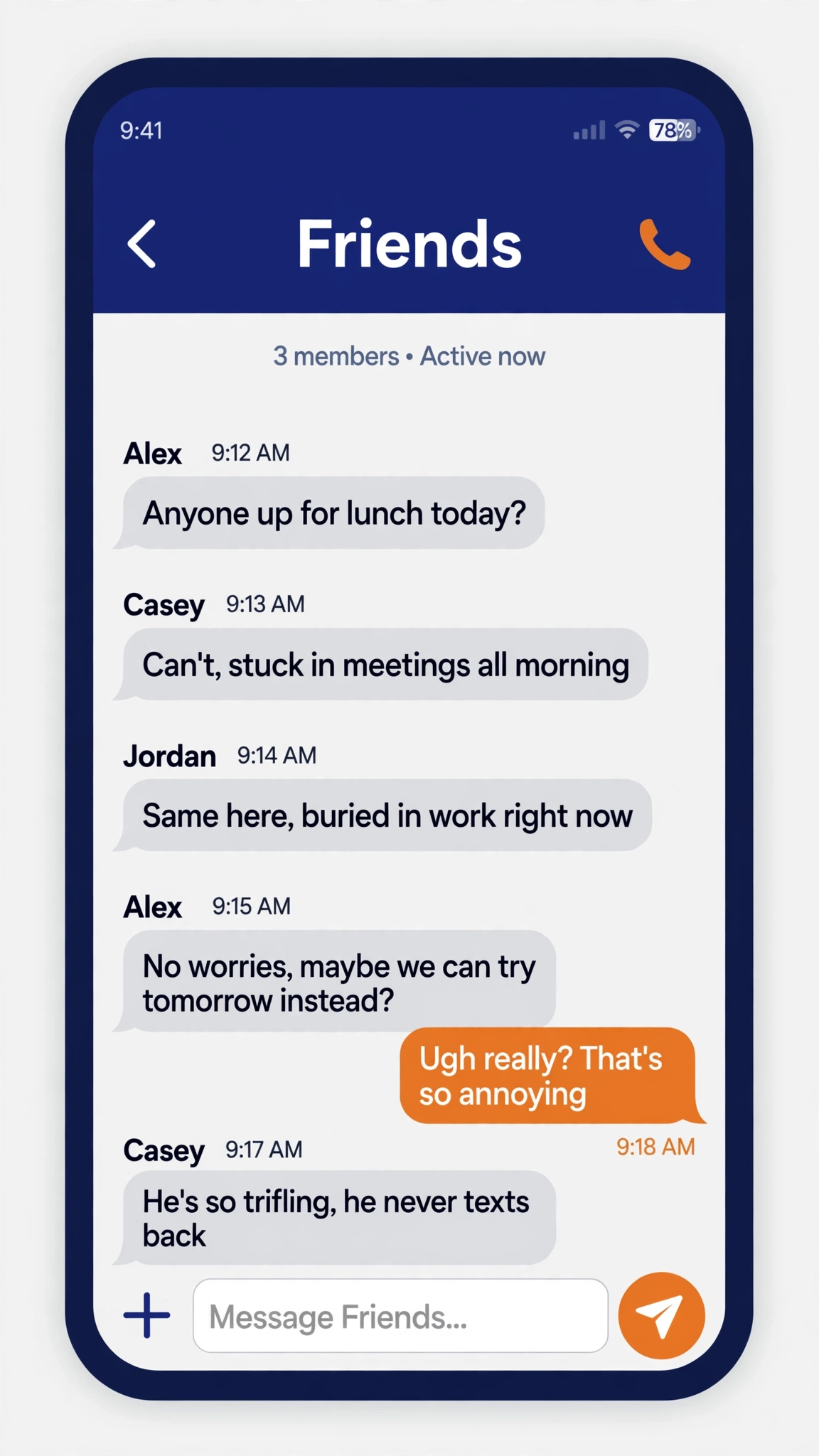
1. To describe a person. This is the most common use: “He’s trifling.” “She is so trifling.” “My ex was trifling from day one.” In this form, the word sums up a person’s character, not just one action. It suggests a pattern — this person regularly lies, cheats, flakes, or acts selfishly — and it is stronger than calling someone annoying, because it questions their reliability and respect for others.
2. To describe behaviour or actions. You can also call a specific action trifling without labelling the whole person: “That was a trifling thing to say.” “Ghosting after three months is trifling.” “Lying about where you were is trifling behaviour.” This use is softer and more specific, and it works well when you want to criticise what someone did rather than who they are.
3. To describe a situation or drama. “This whole situation is trifling.” “The family group chat is trifling today.” Here the word describes mess, pettiness, and unnecessary conflict. It signals that the drama is beneath you and not worth engaging with seriously.
4. As a joke or playful tease. Among close friends, trifling can be light and funny: “You’re trifling for finishing my fries.” The tone is teasing, the offence is tiny, and everyone knows it is not serious. The joke works because the word is normally so strong — using it for something small makes it funny.
5. In texting and social media. In texts, the word often appears alone or in a short sentence: “trifling 😭”, “he trifling fr”, “this is so trifling”. On TikTok, it appears in captions, comments, and on-screen text, often paired with an eye roll, a sigh, or a “POV” setup. Grammar is simple: you will hear “so trifling,” “mad trifling,” “too trifling,” and “a trifling person,” in statements, questions (“Why are you being so trifling?”), and exclamations (“That is trifling!”). One important note: the word is informal and judgemental, so it fits casual conversation, not formal writing. You would not call a client trifling in a business email. Save it for friends, family, social media, and honest conversations where direct language is welcome — and if you want another example of slang that sounds casual but carries real attitude, check out our breakdown of gyat meaning slang.
Examples
Real examples make the meaning of trifling slang much clearer than a dictionary definition alone. The word changes slightly with the setting, so the examples below are grouped by tone: friendly, professional, and funny. Notice how the same word can be a joke in one conversation and a serious accusation in another.
Friendly Examples
- “Girl, he texted me ‘wyd’ at 2 a.m. after ghosting me for a week. He is so trifling.” — Venting about an unreliable ex who only appears when it suits him.
- “My brother promised to pick me up and then went to a party instead. Trifling behaviour, honestly.” — Calling out a broken promise without starting a full fight.
- “She told everyone my secret after I asked her not to. That is trifling, I can’t trust her like that anymore.” — Naming a betrayal in a friendship.
- “He said he would pay me back on Friday and now he is ignoring my messages. So trifling.” — Describing low-effort, dishonest behaviour around money.
Professional Examples
In professional settings, be careful with “trifling” because it is blunt and informal. It suits private conversations with trusted coworkers, not meetings, emails, or messages to a manager. Still, people use it behind the scenes to describe workplace behaviour, and it is useful to recognise it when you hear it.
- “He took credit for my project in the meeting and then acted confused when I asked about it. That was trifling.” — A private vent about a coworker stealing credit.
- “She promised to send the files on Monday and sent them on Thursday with no apology. Trifling, but I will just do it myself next time.” — Describing unreliable work habits to a trusted colleague.
- “He gossips about everyone in the office and then smiles at them in the hallway. So trifling.” — Describing two-faced behaviour at work.
If you need to raise the same issue formally, swap the slang for neutral language: “unreliable,” “unprofessional,” “did not follow through,” or “took credit for work they did not do.” The meaning stays the same, but the tone becomes appropriate for a workplace.
Funny Examples
- “You ate the last slice of pizza and blamed the dog? You are so trifling.” — Playful teasing over a small, silly crime.
- “POV: your trifling ex likes your photo at 3 a.m. but won’t text you back.” — A classic TikTok setup where the ex does the bare minimum for attention.
- “He said ‘I miss you’ and then posted a picture with someone else ten minutes later. Trifling speedrun.” — A joke about fast, messy behaviour.
- “My cat knocked my phone off the table and walked away like nothing happened. Trifling behaviour.” — Using the word for a pet, purely for comedy.
| Situation | What Happened | Tone | What “Trifling” Means Here |
|---|---|---|---|
| Text from an ex at 2 a.m. | Ghosted for a week, then sent “wyd” | Annoyed, venting | Unreliable, only reaching out for attention |
| Friend shares your secret | Told everyone after promising not to | Hurt, serious | Disloyal and untrustworthy |
| Coworker takes credit | Presented your work as their own | Frustrated, private vent | Dishonest and unprofessional |
| Someone eats your fries | Took food with a smile | Playful, joking | Cheeky and unserious, not a real insult |
| TikTok storytime | Cheating partner caught in a lie | Funny, dramatic | Messy, disloyal, and shameless |
Comparison with Similar Terms
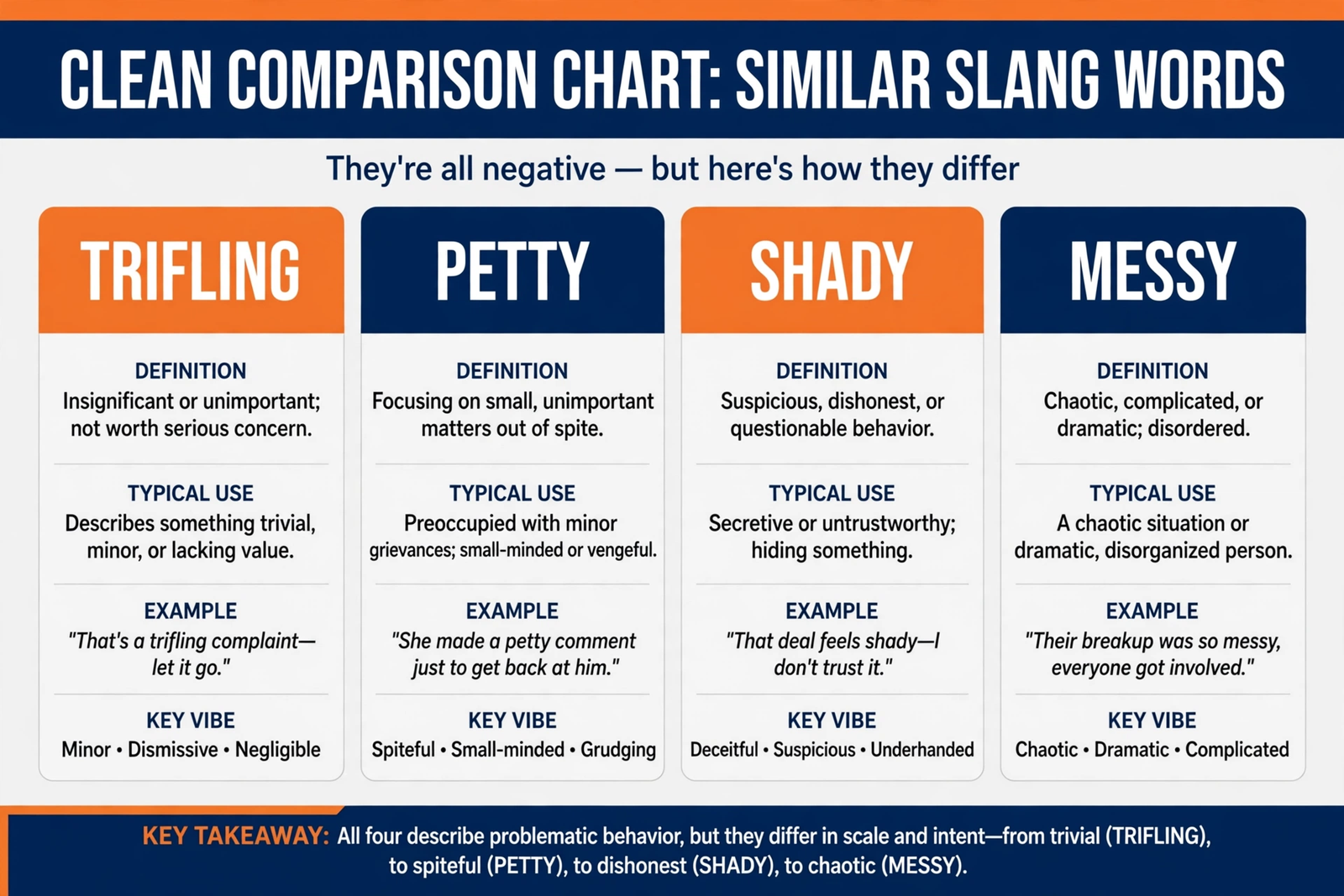
Trifling slang is often confused with other judgement words, especially petty, shady, messy, and salty. They overlap, but they are not the same, and choosing the right one makes your message clearer.
Trifling vs petty: Petty is about small, spiteful behaviour — holding a grudge or getting revenge over something tiny. Trifling is broader and more serious. A petty person argues over a parking spot; a trifling person cheats, lies, or flakes on people who depend on them. Petty is small-minded; trifling is low-character.
Trifling vs shady: Shady describes someone secretive or suspicious — you cannot tell what they are really doing. Trifling describes someone whose behaviour is already clear, and it is bad. A shady person might be hiding something; a trifling person has already shown you who they are.
Trifling vs messy: Messy describes drama, gossip, and chaos. Trifling can include messiness, but it adds a judgement about character. A messy person starts drama for fun; a trifling person is also unreliable, selfish, or disloyal.
Trifling vs salty: Salty means bitter or upset, usually after losing or being embarrassed. It describes a mood, not a character flaw. You can be salty for an afternoon, but being called trifling is a judgement about who you are. When in doubt, ask what you are really judging: a small grudge is petty, secrecy is shady, drama is messy, and a pattern of unreliable, selfish, or disloyal behaviour is trifling.
| Word | Core Meaning | Main Focus | Example |
|---|---|---|---|
| Trifling | Worthless, unreliable, unserious | Character and behaviour | “He cheated and lied about it. He is trifling.” |
| Petty | Small-minded, spiteful over tiny things | Small grudges and revenge | “She blocked me over one joke. So petty.” |
| Shady | Secretive, suspicious, dishonest | Hidden motives | “He was acting shady about where he was.” |
| Messy | Dramatic, gossipy, chaotic | Drama and gossip | “She loves messy group chat drama.” |
| Salty | Bitter, upset, annoyed | Temporary mood | “He is salty because he lost the game.” |
Alternate Meanings
Like many slang words, “trifling” has more than one meaning, and the standard English meaning is still alive alongside the slang one. Knowing both helps you avoid confusion, especially in reading, school, or formal writing.
1. Standard English meaning: of little value or importance. In formal English, “trifling” describes something small or insignificant: a trifling amount of money is a tiny amount, and a trifling matter is a minor issue. This is the original dictionary sense, and the slang meaning grew from it by keeping the idea of worthlessness and adding a judgement about character. Merriam-Webster defines “trifling” in this traditional sense, as something of little value or importance.
2. Slang meaning: worthless, petty, or unserious person or behaviour. This is the meaning covered in the rest of this guide — the AAVE and internet sense where trifling describes someone unreliable, messy, or disloyal. It is the most common meaning in conversation, texting, and social media today.
3. Old-fashioned insult: lazy or no good. In older Southern and African American speech, calling someone trifling could also mean they were lazy, shiftless, or unwilling to work. That sense still echoes in the modern slang meaning — a trifling person is often someone who will not put in effort, whether in a relationship, a job, or a friendship.
The key is context. In a textbook or a formal essay, “trifling” almost always means “insignificant.” In a text message, a TikTok caption, or a conversation about an ex, it almost always means the slang sense: worthless, messy, or not worth your time.
Professional or Polite Alternatives
“Trifling” is a strong, informal word, so there are times when a softer phrase works better — at work, with elders, in a formal message, or when you want to criticise behaviour without starting a fight. Here are polite alternatives, matched to the situation.
- Unreliable: “He has been unreliable lately.” Best for work, school, and formal complaints.
- Not following through: “She did not follow through on what she promised.” Clear, factual, and hard to argue with.
- Disrespectful: “That comment felt disrespectful.” Good when the issue is tone or boundaries.
- Unprofessional: “Taking credit for someone else’s work is unprofessional.” The right word for workplace behaviour.
- Inconsiderate: “It was inconsiderate to cancel without telling us.” Softer than trifling, but still honest.
- Low-effort: “That apology felt low-effort.” Modern, casual, and less judgemental than trifling.
Choosing a polite alternative does not mean hiding the truth. It means matching your language to your audience so your message is heard instead of dismissed. With close friends, “trifling” is honest and direct. With a manager or teacher, a calmer phrase will usually get a better result. If you are learning how other short slang phrases shift meaning with tone, our guide to TB meaning slang is another good example of a tiny abbreviation with a big attitude behind it.
Common Mistakes
Even a simple word like “trifling” is easy to misuse. These are the mistakes people make most often — and how to avoid them.
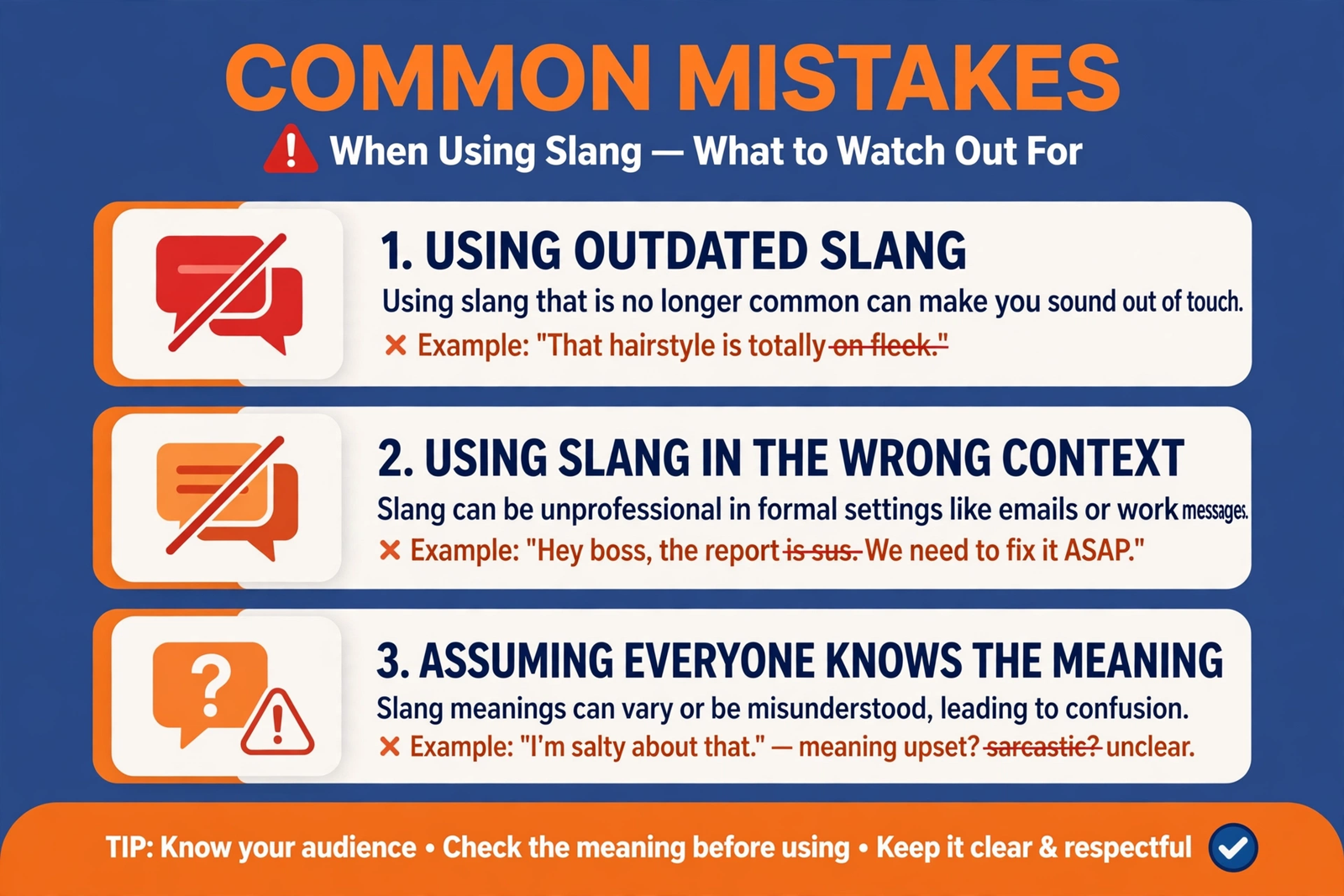
- Using it for every small annoyance. If you call everything trifling, the word loses its power. Save it for genuinely unreliable, messy, or disloyal behaviour, not for someone being five minutes late once.
- Using it in formal or professional settings. Calling a client, a boss, or a teacher trifling in writing can damage a relationship. Use “unreliable” or “unprofessional” instead.
- Calling a person trifling over one mistake. One bad day does not make someone trifling. The word suggests a pattern, so use it for repeated behaviour — or describe a single action (“That was trifling”) instead of labelling the whole person.
- Confusing it with petty or messy. Petty is about small grudges, messy is about drama, and trifling is about character. Mixing them up can make your message unclear.
- Using it as a joke with someone you do not know well. Among close friends, playful “trifling” is funny. With a stranger or a new coworker, it can sound like a real insult and start a conflict you did not intend.
- Forgetting its cultural roots. Trifling comes from AAVE and Black American speech. Use it respectfully, remembering that origin instead of treating it as a random TikTok word.
- Spelling it wrong. The correct spelling is “trifling” — not “triffling” or “tryfling.” Spell it correctly in posts and captions so readers and search engines understand you.
Quick Tips
Use these quick tips to sound natural — and fair — when you use trifling slang in conversation or online.
- Check the pattern first: ask yourself if this is repeated behaviour or a one-time mistake before labelling a person trifling.
- Match the tone to the room: playful with close friends, serious in a real conversation, and never in a formal email.
- Describe the action, not just the person: “That was trifling” is often fairer and clearer than “You are trifling.”
- Pair it with specifics: instead of just saying “He is trifling,” add one detail — “He promised to come and never showed up.”
- Do not use it to start drama: calling someone trifling in a group chat to embarrass them usually creates more mess, not less.
- Keep it natural in text: short forms like “he trifling fr” sound natural in a chat, but spell it out fully in a post or caption.
- Respect the origin: remember the word comes from AAVE and Black culture, and use it with that history in mind.
FAQ
What does trifling mean in slang?
In slang, trifling means worthless, petty, unserious, or not worth your time. A trifling person is unreliable, selfish, messy, or disloyal — someone who lies, cheats, flakes on plans, or puts in low effort. The word comes from AAVE and Southern Black American speech, where it has long been used to judge character and behaviour.
What does trifling mean from a girl?
When a girl calls someone trifling, she usually means that person — often an ex, a crush, or a friend — has been unreliable, messy, or disloyal. For example, she might say “He is trifling” after a guy ghosts her, lies about where he was, or only texts her late at night. Among friends it can also be playful teasing, but in a dating context it is almost always a serious judgement.
What does trifling mean from a guy?
When a guy calls someone trifling, the meaning is the same: that person is unserious, unreliable, or messy. A guy might call an ex trifling for cheating, call a friend trifling for spreading gossip, or joke that a friend is trifling for eating his food. The word is used by all genders, and the meaning does not change with who says it — only the tone and the situation change it.
Is trifling rude?
Yes, trifling can be rude, because it is a direct judgement about someone’s character. Calling a person trifling to their face is an insult, and it can start an argument. Among close friends it can be playful teasing when everyone knows it is a joke. In formal settings, at work, or with people you do not know well, it is too blunt — use “unreliable,” “inconsiderate,” or “unprofessional” instead.
What does trifling mean on TikTok?
On TikTok, trifling means the same as in everyday slang — unreliable, messy, or disloyal — but it is often used in a funny, dramatic way. Creators use it in storytimes about cheating exes, “POV” videos about low-effort dating, and captions like “my trifling ex at 2 a.m.” The humour comes from exaggeration, but the judgement is real: the person behaved badly, and the audience is meant to agree.
What is the difference between trifling and petty?
Petty is about small, spiteful behaviour — holding a grudge or getting revenge over something tiny. Trifling is broader and more serious: it describes a pattern of unreliable, selfish, or disloyal behaviour, like cheating, lying, or breaking promises. A petty person argues over something small; a trifling person shows low character over time.
How do you reply when someone calls you trifling?
Stay calm and ask for specifics: “What did I do that felt trifling to you?” If you made a mistake, own it and apologise — a real apology is the fastest way to end the conversation. If the label is unfair, say so clearly: “I don’t think that’s fair — here is what actually happened.” Do not reply with insults or start a public argument, especially in a group chat.
How do you use trifling in a sentence?
You can use it to describe a person (“He is so trifling”), an action (“Ghosting after three months is trifling”), or a situation (“This whole drama is trifling”). In a text, short forms sound natural: “he trifling fr” or “that was so trifling 😭”. In a longer post, spell it out with a detail: “He promised to pick me up and never showed up — trifling behaviour.”
Conclusion
Trifling slang is one of those rare slang words that is both old and current at the same time. It started in standard English as a word for things of little value, grew into a sharp judgement word in Southern and Black American speech, travelled through hip-hop and Black Twitter, and found a new audience on TikTok — all without losing its core meaning. When someone is trifling, they are not just annoying for a moment. They are unreliable, unserious, or messy in a way that shows their character, and the people around them can see it.
Now you know how to use it well: describe the pattern, not just one bad day; match the tone to the room; describe the action when labelling the whole person feels too harsh; and choose a polite alternative at work or in formal settings. You also know what it is not — it is not the same as petty, shady, messy, or salty, and it is not a word to throw around lightly. The next time you see a 2 a.m. “wyd” text from an ex who ghosted you, or a friend starting drama and acting innocent, you will have the right word for it — and you will know exactly when to say it, when to joke with it, and when to simply walk away. And if you enjoy tracing how old words take on new life online, our look at Victorian slang shows how language from another era still shapes the way we talk today.

2 thoughts on “Trifling Slang: What Does Trifling Mean in Text, TikTok & Chat?”