TM Meaning & Definition
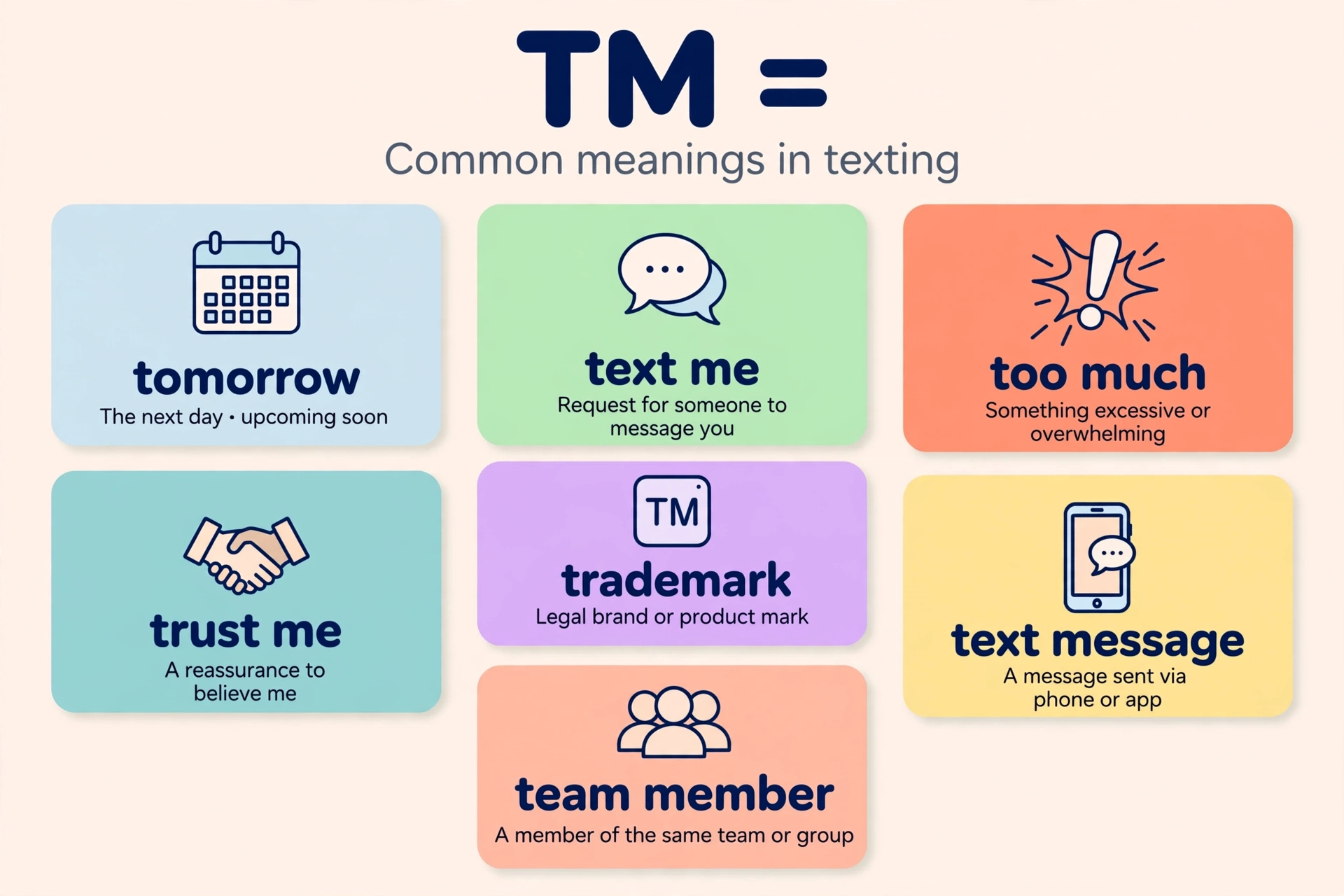
Quick Answer: In texting, TM most commonly means “tomorrow” — as in “See you tm!” But TM is one of the most multi-talented abbreviations in digital communication, with at least 7 different meanings depending on context: tomorrow, text me, too much, trust me, trademark (™), text message, and team member. The correct meaning almost always depends on who sent it and where you saw it.
| TM Stands For | Used When | Example |
|---|---|---|
| Tomorrow | Planning, scheduling, casual chats | “Meeting tm at 10?” |
| Text Me | Asking someone to message you | “TM when you reach home.” |
| Too Much | Reacting to something extreme or funny | “That drama was TM 😂” |
| Trust Me | Reassuring someone | “It’ll be fun, TM.” |
| Trademark ™ | Branding, business, or joking “ownership” | “Genius ideas™ only.” |
| Text Message | Older/techy shorthand for SMS | “I sent you a TM.” |
| Team Member | Workplace chats and project tools | “Assign it to the TM on duty.” |
Introduction
You get a text that just says “tm?” — and suddenly you’re stuck. Is your friend asking about tomorrow? Telling you to text them? Or claiming something is “too much”? Welcome to the wonderfully confusing world of TM, a tiny two-letter abbreviation carrying a surprisingly big load of meanings.
Here’s the thing most guides won’t tell you upfront: TM has no single “correct” meaning. Unlike abbreviations with one fixed definition, TM is a context chameleon. A lawyer typing TM means something completely different from a teenager typing tm — and both are right. In this guide, we’ll decode all 7 meanings of TM, show you exactly how to tell them apart, walk through real chat examples for every situation, and even cover the professional alternatives so you never use the wrong one at the wrong time.
Whether you saw TM on Snapchat, in a work Slack channel, or in a meme captioned “Procrastination™”, by the end of this article you’ll read it like a native. Let’s break it down.
Origin
The story of TM starts long before smartphones — in fact, its oldest meaning is over a century old.
The trademark roots (late 1800s): The earliest use of TM dates back to the late 1800s as a commercial mark. Manufacturers stamped ™ on products to signal “this brand name belongs to us,” even before formal legal registration. This is still TM’s official, dictionary-recognized meaning today — and the only one you’ll find in legal documents.
The texting revolution (1990s–2000s): When SMS arrived with its brutal character limits (remember 160 characters per message?), people started compressing everything. Tomorrow became tmrw, then tm. Text message became TM. These weren’t invented by any single person or platform — they spread organically because they were fast and intuitive.
The internet culture layer (2010s–today): Social media added the playful layers. Memes started slapping ™ onto ordinary words as a joke — “World’s Okayest Dad™” — turning a legal symbol into a punchline. Meanwhile, chat apps popularized text me and trust me as TM, and workplace tools like Slack and Asana gave us team member.
So when you ask “what does TM mean,” you’re really asking about 150 years of language evolution compressed into two letters. No wonder it’s confusing.
Popularity
TM’s popularity isn’t an accident — it’s built on three things: speed, versatility, and platform culture.
- Speed: Two keystrokes replace up to 8 letters (“tomorrow”). In fast thumb-typing, that’s a massive saving, which is why TM thrives in rapid-fire chats on WhatsApp, iMessage, and Snapchat.
- Versatility: Few abbreviations work in a boardroom and a meme. TM does — trademark in a contract, “tm?” in a text. That range keeps it alive across generations.
- Platform culture: Each platform nudged a different meaning forward. Instagram normalized the ™ joke. Workplace chat tools spread “team member.” Dating apps and DMs pushed “text me” and “trust me.”
Search interest in “TM meaning” has stayed remarkably steady year after year — unlike flash-in-the-pan slang that spikes and dies, TM behaves more like permanent vocabulary. It’s not trending slang; it’s infrastructure. That’s exactly why getting its meanings right matters: you’ll keep encountering it for years.
How It Is Used
TM’s meaning is decided by three clues: who sent it, where you saw it, and what the conversation is about. Here’s how to read each situation like a detective.
1. In planning and scheduling chats → “tomorrow.” If the conversation involves dates, times, or plans, TM almost always means tomorrow. “Dinner tm?” = “Dinner tomorrow?” This is the #1 meaning in everyday texting, and your safest default guess.
2. As a request → “text me.” When someone is wrapping up or giving instructions, TM means “text me.” “Running late, TM when you’re outside” is a request, not a calendar entry. Notice the pattern: it’s usually paired with when or once.
3. As a reaction → “too much.” When TM responds to something funny, dramatic, or overwhelming, it means “too much.” “That plot twist was TM” = “That plot twist was too much (to handle).” Tone is everything here — it’s emotional, not logistical.
4. As reassurance → “trust me.” Short, confident, often at the end of a persuasive sentence. “You’ll love it, TM.” If removing TM leaves a promise or claim, that’s your meaning.
5. With the ™ symbol or in branding talk → “trademark.” The giveaway is the ™ symbol itself or a business context. In memes, it’s sarcasm: “Adulting™ is hard” jokingly “trademarks” adulting as a brand.
6. At work → “team member.” In Slack, Teams, or project management tools, TM usually means team member. “Which TM is handling QA?” Context makes this one nearly foolproof.
The 3-second rule: Ask yourself — Is this about time? A request? A reaction? Business? Work? One of those five questions will nail the meaning 95% of the time.
Examples
Nothing teaches slang like seeing it in the wild. Here are real-world style examples for every tone.
Friendly Examples
- Tomorrow: “Movie tm? I found great seats! 🎬” — casual planning between friends.
- Text me: “At the mall rn, TM when you’re free 🛍️” — keeping the conversation going.
- Trust me: “This restaurant is amazing, TM! 🍕” — friendly recommendation with confidence.
- Too much: “Your dog in that costume was TM 😂🐶” — affectionate exaggeration.
- Trademark joke: “World’s best nachos™, made by yours truly 😎” — playful bragging.
Professional Examples
- Team member: “Please loop in the TM responsible for onboarding.” — clean workplace usage.
- Trademark: “Make sure the logo includes the ™ symbol before launch.” — the formal, legal meaning.
- Tomorrow (work chat): “Can we sync tm morning on the deliverables?” — acceptable in internal chats, but write “tomorrow” in client emails.
Neutral tone note: In mixed or unfamiliar company, TM reads as casual. When in doubt with new contacts, spell the word out.
Funny Examples
- “My sleep schedule™ is a work of art. A tragic, tragic work of art.”
- “Me: I’ll be productive tm. Also me at 2 AM: one more episode…”
- “Her: Are you even listening? Him: TM. Her: ??? Him: Trust Me. Her: That’s worse.”
- “Diet starts tm. Said me, every Sunday night since 2019.”
Comparison with Similar Terms
TM has several lookalikes that cause mix-ups. Here’s how they differ:
| Abbreviation | Meaning | When to Use It | TM vs This Term |
|---|---|---|---|
| TM | Tomorrow / Text me / etc. | Fast, casual chats | — |
| TMR / TMRW | Tomorrow (only) | When you mean ONLY tomorrow | Clearer than TM — zero ambiguity |
| 2MORO / 2MORROW | Tomorrow (stylized) | Playful, social media captions | Same meaning, more characters, more style |
| TMW | Tomorrow (alt spelling) | Gaming and meme communities | Niche variant of TM-as-tomorrow |
| ® | Registered trademark | Legally registered brands only | Stronger legal claim than ™ |
| DM | Direct message | Private messaging requests | “DM me” ≈ “TM (text me)” on social apps |
Pro tip: If you specifically mean tomorrow and want zero confusion, use TMR instead of TM. It costs one extra letter and removes all ambiguity.
Alternate Meanings
Beyond the big 7, TM pops up in specialist contexts worth knowing:
- Transcendental Meditation — a meditation technique from the 1960s. “I started TM last month for stress.” Common in wellness circles, confusing everywhere else.
- Technical Manual / Training Manual — military and corporate docs. “Check TM 11-5805 for the specs.”
- Transfer Market — football/soccer chats. “Any TM news on the striker?”
- Time Management — productivity discussions. “My TM system finally works.”
- Turkmenistan — the country’s internet domain (.tm) and occasional abbreviation.
These are rare in everyday texting, but if a conversation is clearly about meditation, the military, football, or productivity, one of these is probably your answer.
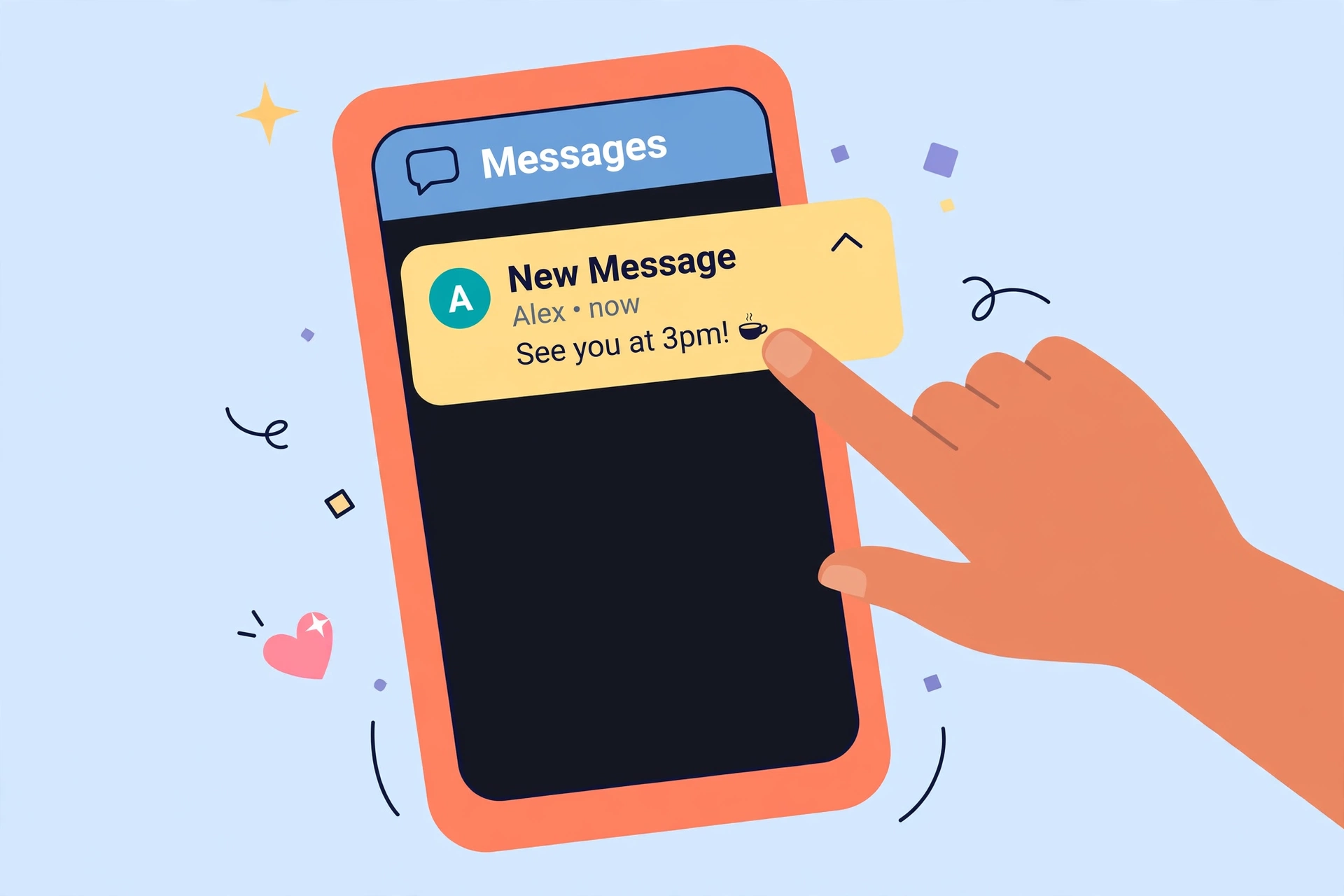
Professional or Polite Alternatives
TM is informal by nature. Here’s what to use when the setting demands polish:
| Instead of TM meaning… | Say this instead | Example |
|---|---|---|
| Tomorrow | “tomorrow” | “Let’s finalize this tomorrow.” |
| Text me | “message me” / “send me a message” | “Please message me when you arrive.” |
| Trust me | “I assure you” / “rest assured” | “Rest assured, the report will be ready.” |
| Team member | “team member” / “colleague” | “Which team member owns this task?” |
| Too much | “excessive” / “overwhelming” | “The feedback was a bit overwhelming.” |
| Trademark | “™” symbol or “trademark” | “Our trademark application is pending.” |
Rule of thumb: TM is fine with friends, teammates in chat, and social media. In job applications, client emails, academic writing, or legal documents — always spell it out.
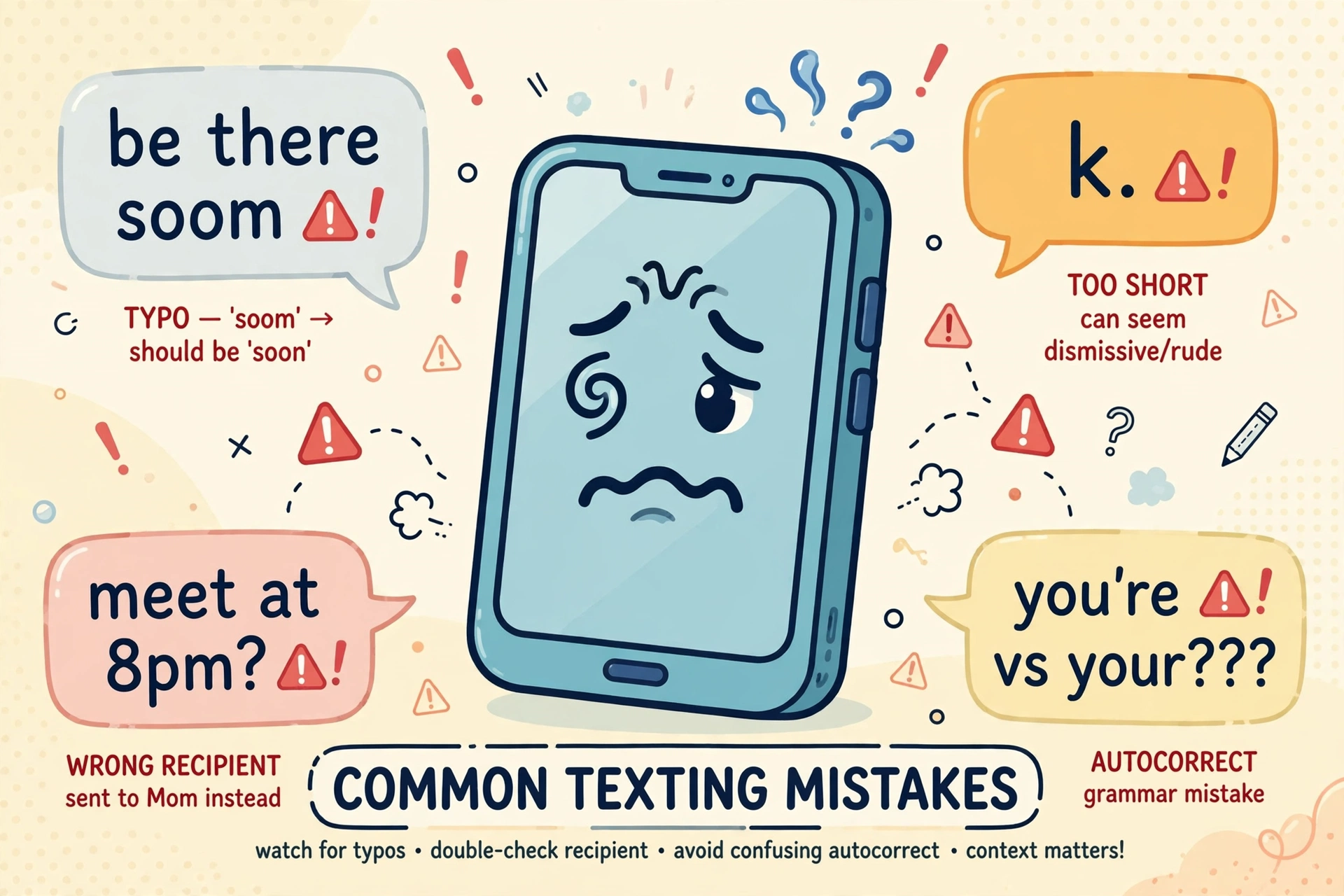
Common Mistakes
- Assuming it always means “tomorrow.” It’s the most common meaning, not the only one. “TM when you land” is “text me,” not “tomorrow when you land” — reading it wrong changes the whole message.
- Using TM™ as a legal trademark. Typing ™ after your brand name in a meme is a joke. In real business, ™ offers limited protection and ® requires actual registration. Don’t confuse internet humor with legal advice.
- Using TM with clients or elders. Many people outside texting culture won’t know any of TM’s slang meanings. With your boss’s boss, write “tomorrow.”
- Mixing up TM and TMR. If clarity matters (flight times, deadlines), TMR unambiguously means tomorrow. TM keeps people guessing.
- Reading “TM” as rude. It’s not rude — it’s informal. Nobody is insulting you with TM; at worst, they’re being casual.
Quick Tips
- Default guess: In a scheduling context, TM = tomorrow. Anywhere else, check the other meanings first.
- Look for partners: TM + when/once = “text me.” TM + ™ = trademark joke. TM + a promise = “trust me.”
- When texting: Match your friend’s energy — if they write “tm?”, reply “tm!” Nobody will misunderstand.
- When unsure: Just ask — “tm = tomorrow?” takes two seconds and native texters do it all the time.
- For content creators: The ™ joke works best when the “trademarked” thing is gloriously ordinary — “Microwaved leftovers™, a culinary triumph.”
- At work: “TM” for team member is safe in internal chats; spell out everything else.
FAQ
1. What does TM mean in texting?
In texting, TM most commonly means “tomorrow” (e.g., “See you tm”). Depending on context, it can also mean “text me,” “too much,” “trust me,” “trademark,” “text message,” or “team member.”
2. What does TM mean from a girl or guy in DMs?
It depends on the conversation, not the gender. In flirty or friendly DMs, TM usually means “text me” (“TM later 😊”) or “trust me” (“It’ll be fun, TM”). In planning chats, it means “tomorrow.”
3. Is TM rude or offensive?
No — TM is informal, not rude. It’s casual shorthand. It only feels off if used in a formal setting (like a job interview email), where spelling things out is expected.
4. What does TM mean on Snapchat and TikTok?
On Snapchat and TikTok, TM most often means “tomorrow” in comments and captions, or appears as the ™ joke (“Main character™ energy”). “Text me” also appears in DMs.
5. What’s the difference between TM and TMR?
TMR (or TMRW) means only “tomorrow” — it’s unambiguous. TM can mean seven different things. When clarity matters, use TMR.
6. What does putting ™ after a word mean in memes?
It’s a joke format that mock-“trademarks” something ordinary for comedic effect, like “Procrastination™” or “Bad decisions™.” It plays on the real trademark symbol to make mundane things sound like official brands.
7. Can I use TM in professional or work emails?
As “team member” in internal chats, yes. For every other meaning, no — spell it out. Never use TM-as-slang with clients; write “tomorrow” or “message me” instead.
8. How do I reply when someone texts “TM”?
Match the meaning: if it’s “tomorrow,” reply about the plan (“Sounds good, what time?”). If it’s “text me,” just text them later. If it’s “trust me,” respond to the claim (“Okay, I’m in!”). When in doubt, ask: “tm = tomorrow?”

Conclusion
TM is small but mighty: seven meanings, 150 years of history, and a permanent seat in digital vocabulary. The key takeaway is simple — context is the decoder ring. Time-related chat? Tomorrow. A request with when? Text me. A reaction? Too much. A promise? Trust me. Business or memes with ™? Trademark. Work chat? Team member.
Now you won’t just understand TM — you’ll use it with confidence, dodge the common mistakes, and even land the ™ joke properly. And the next time someone texts you a cryptic “tm?”, you’ll know exactly what’s going on. (It’s probably tomorrow. But now you know when it isn’t.)
Quick recap: TM = tomorrow (most common) · text me · too much · trust me · trademark ™ · text message · team member. When clarity counts, spell it out — or switch to TMR.
Want to decode more texting slang? Check out our guides to WSG meaning, OMS meaning, JP meaning, and YK meaning in text — plus the formal dictionary definition of trademark.

5 thoughts on “TM Meaning in Text: 7 Surprising Definitions, Chat Examples & Smart Usage Guide (2026)”